Agricultural HDPE Pipe About
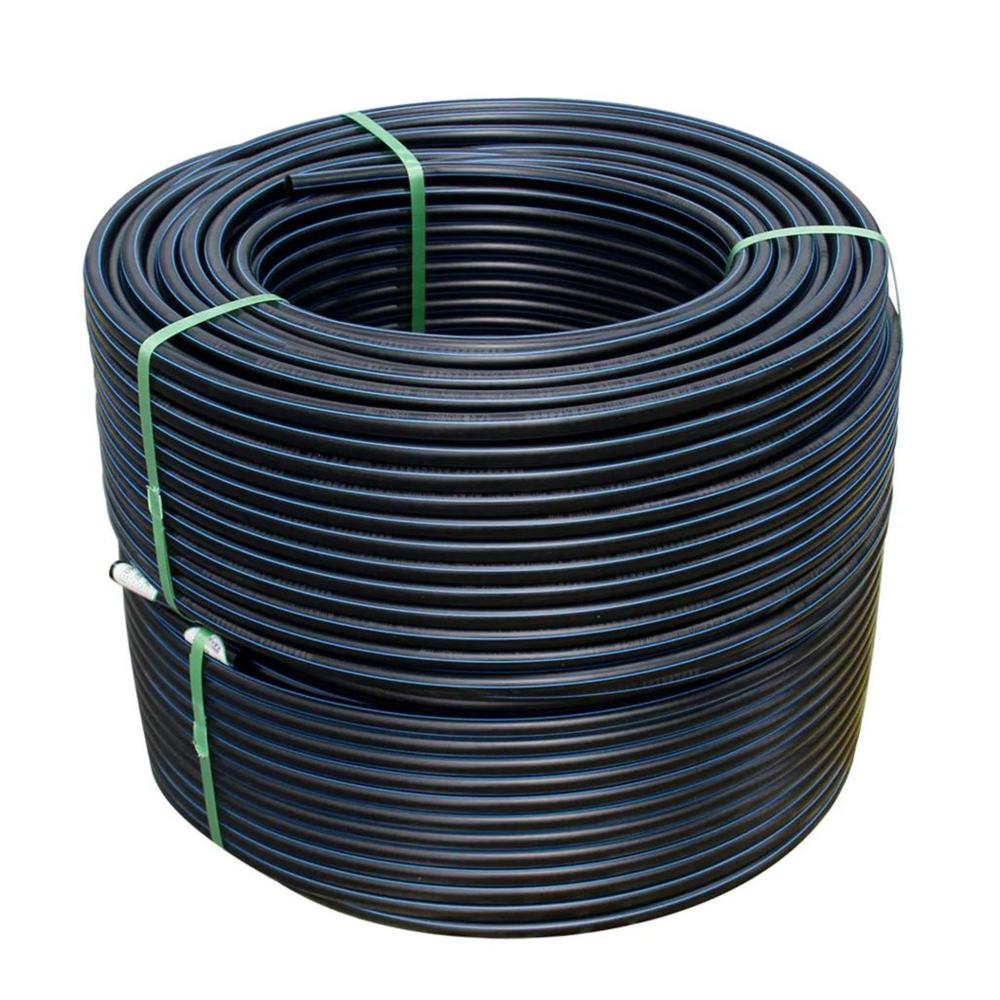
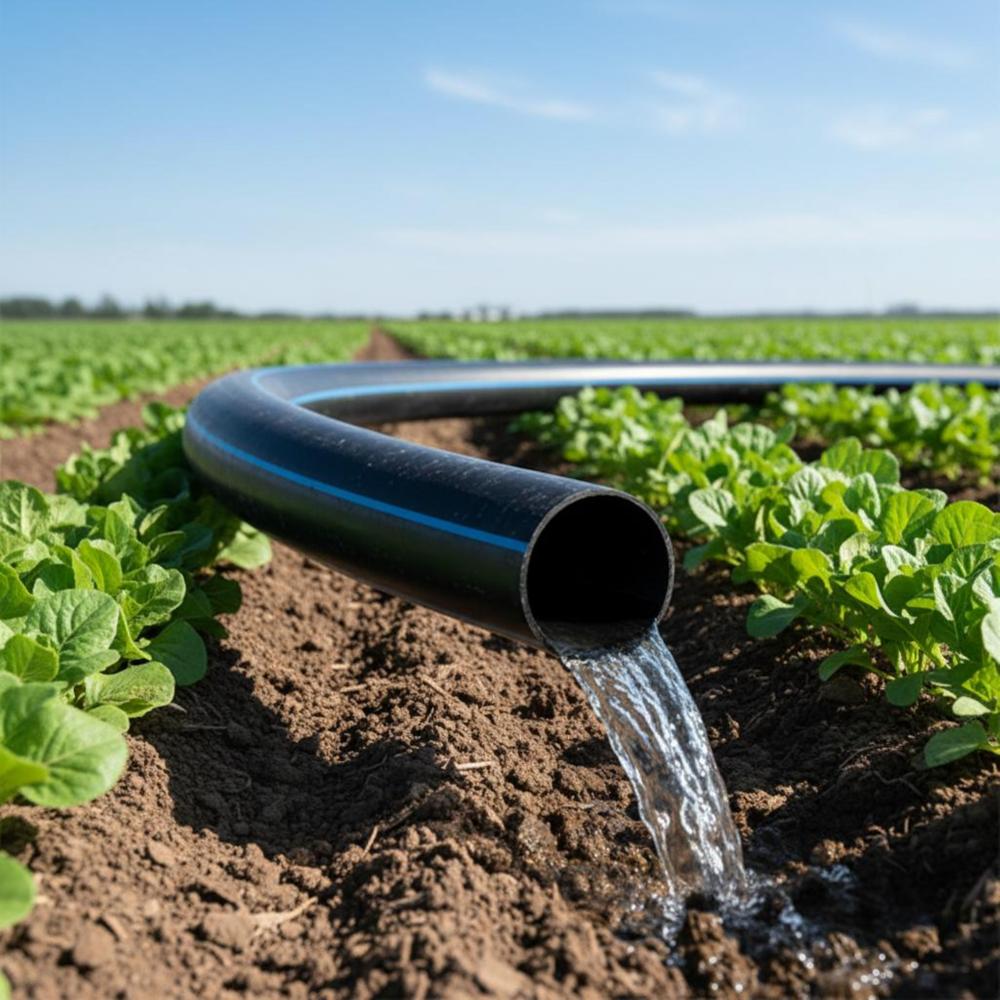
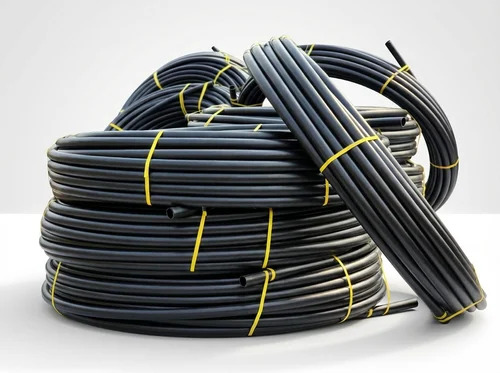
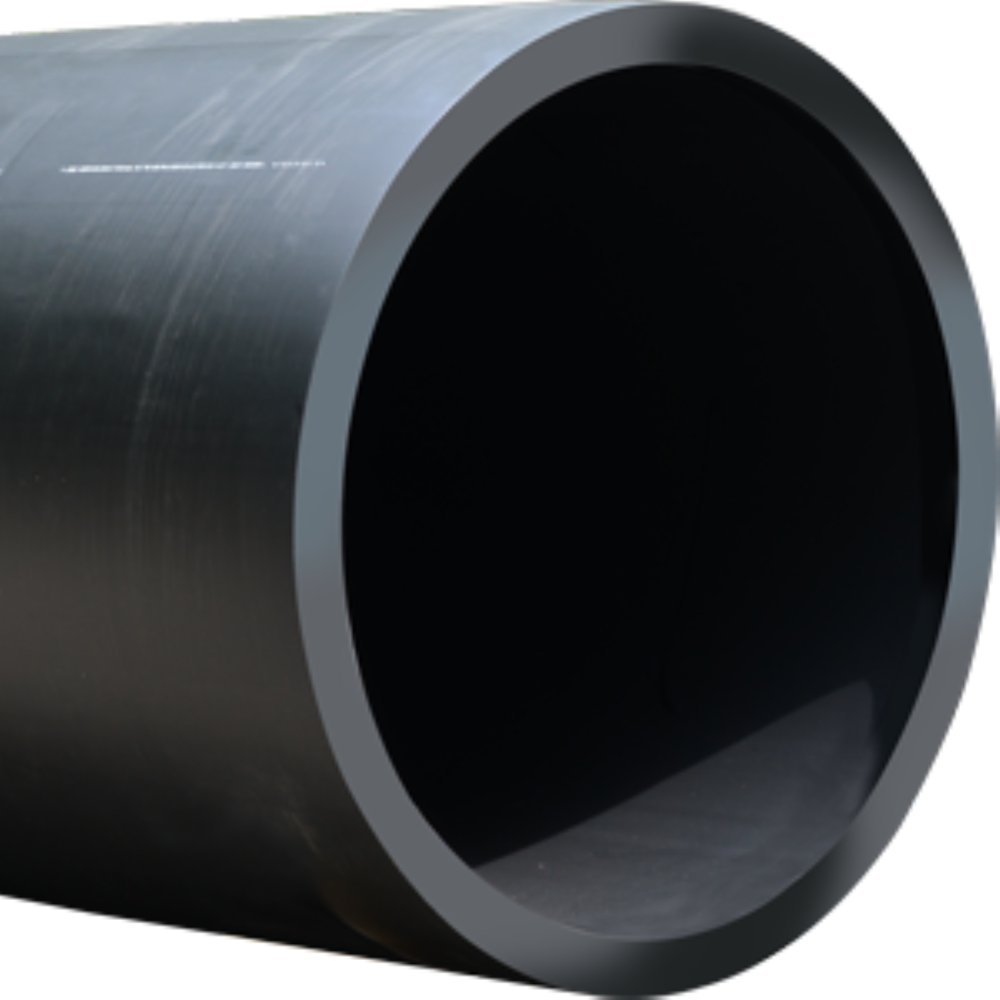
Agriculture HDPE (High Density Polyethylene) Pipes are manufactured from high-quality PE80 or PE100 virgin raw material for efficient water distribution in agricultural irrigation systems. These pipes are lightweight, flexible, corrosion-resistant, and designed for long service life. They are suitable for surface irrigation, sprinkler irrigation, drip irrigation, borewell connections, and water transportation in farms.
Technical Specification
| Parameter |
Specification |
| Product Name |
Agriculture HDPE Pipe |
| Material |
High Density Polyethylene (HDPE) |
| Material Grade |
PE80 / PE100 |
| Pipe Size |
20 mm to 315 mm OD (larger sizes also available) |
| Pressure Rating |
PN 2.5, PN 4, PN 6, PN 8, PN 10, PN 12.5, PN 16 |
| Standard |
IS 4984, ISO 4427 |
| Length |
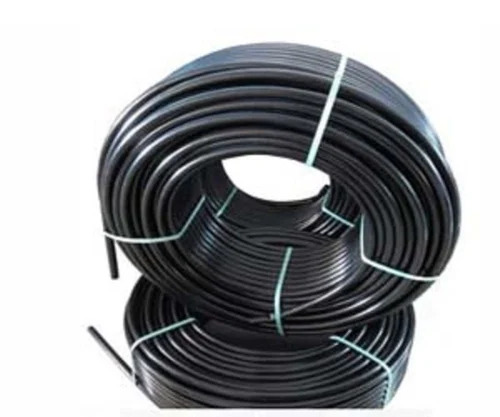
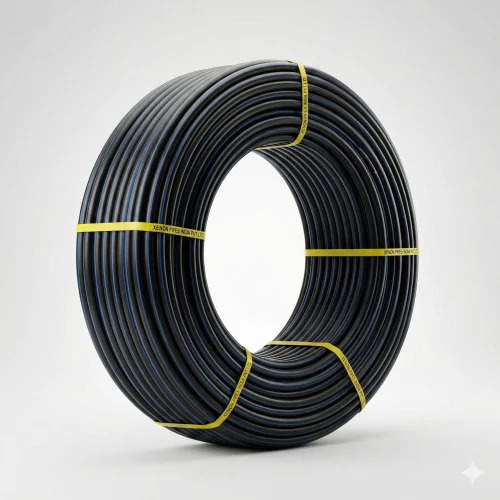
100500 m coils (small sizes), 6 m or 12 m straight lengths |
| Colour |
Black with Blue Stripes / Black |
| Jointing Method |
Butt Fusion, Electrofusion, Compression Fittings |
| Working Temperature |
-40C to +60C |
| Service Life |
Up to 50100 years under normal operating conditions |
Exceptional Durability & LongevityEngineered from high-density polyethylene (HDPE), this pipe is designed for over 50 years of dependable service under normal operating conditions. It withstands harsh environmental exposure, with temperature resilience from -40C to 80C and outstanding UV stability, ensuring minimal wear and tear even under direct sunlight and extreme weather.
Simple Installation & Flexible UseThe pipe's lightweight design and high flexibility make transportation, handling, and installation easy-even in challenging field layouts. Minimal fittings are required, and a range of joint options (butt fusion, compression, electrofusion) allow for quick, secure connections suited to various agricultural systems.
Safe for Water & the EnvironmentManufactured from non-toxic, odorless, and 100% recyclable HDPE, this pipe is safe for carrying potable water. The corrosion- and chemical-resistant materials ensure no contamination and maintain water quality, making it a reliable solution for sustainable agricultural irrigation and water supply.
FAQ's of Agricultural HDPE Pipe:
Q: How does the Agricultural HDPE Pipe benefit irrigation systems?
A: The HDPE pipe provides reliable and efficient water distribution due to its smooth inner surface, which minimizes friction loss. Its high flexibility and leak-proof joints ensure consistent water delivery with minimal maintenance, enhancing the overall efficiency of irrigation systems.
Q: What is the process for installing this HDPE pipe in agricultural fields?
A: Installation involves transporting the lightweight coils to the site, unrolling them, and connecting sections using butt fusion, compression, or electrofusion joints. The flexible nature requires minimal fittings, making the process quick and reducing labor time compared to rigid piping systems.
Q: When should I consider using HDPE pipes for my agricultural project?
A: HDPE pipes are ideal when you need a durable, corrosion-resistant solution that can withstand a wide range of temperatures and UV exposure. If your project demands flexibility for varying field layouts or long service life with minimal maintenance, these pipes are particularly suitable.
Q: Where can these HDPE pipes be applied besides irrigation?
A: Apart from agricultural irrigation, these pipes are suitable for water supply systems, sprinkler installations, and drip irrigation networks. Their non-toxic, chemical-resistant nature also makes them appropriate for transporting potable water and certain agro-chemicals.
Q: What makes this HDPE pipe environmentally friendly?
A: The pipe is made from 100% recyclable HDPE material and is designed to last over 50 years, reducing the need for frequent replacements. Its production does not involve toxic substances, and its long lifespan and recyclability return valuable materials to the supply chain at end-of-life.
Q: How does the HDPE pipe handle exposure to sunlight and outdoor conditions?
A: Thanks to UV stabilization, the pipe is resistant to degradation from prolonged sunlight exposure. Its design ensures dependable performance in outdoor conditions, whether subjected to direct sun or varying climatic changes.






 Send Inquiry


 Send Inquiry
 Send Inquiry
 Send SMS