Hdpe Drainage Pipe About
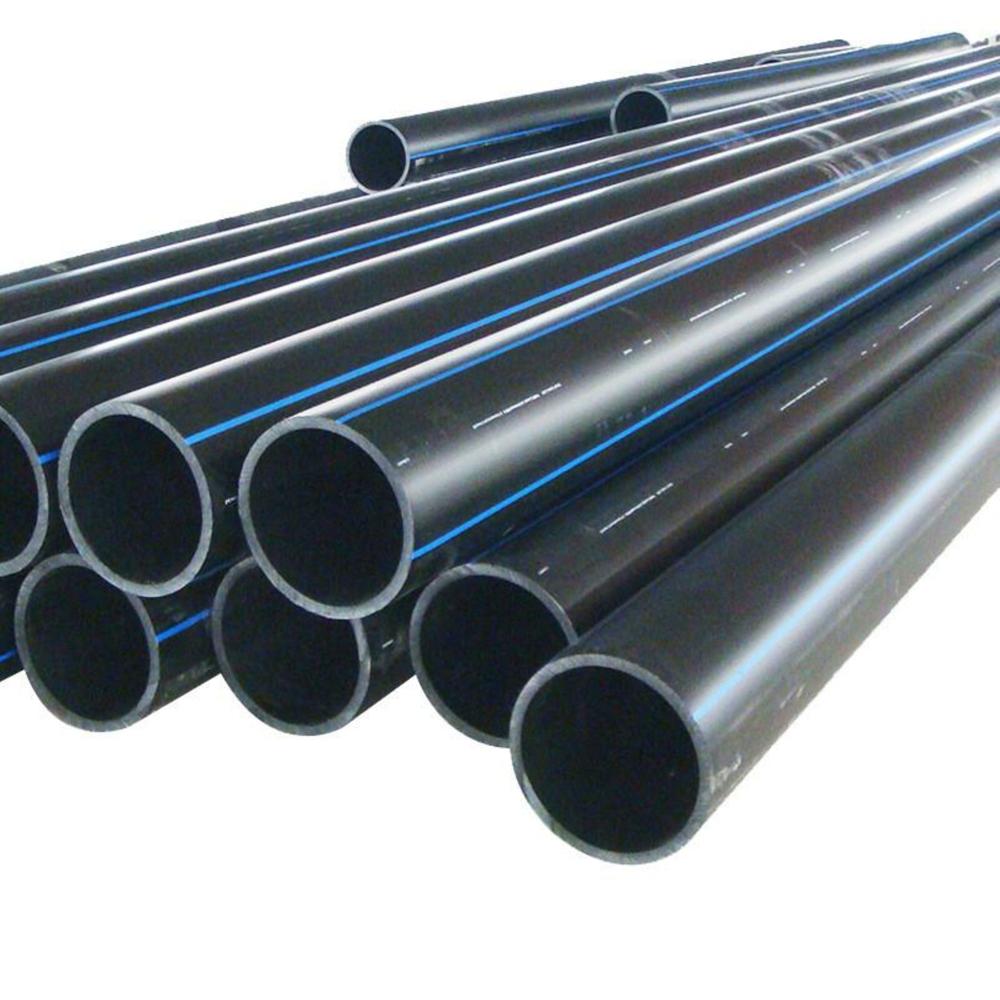
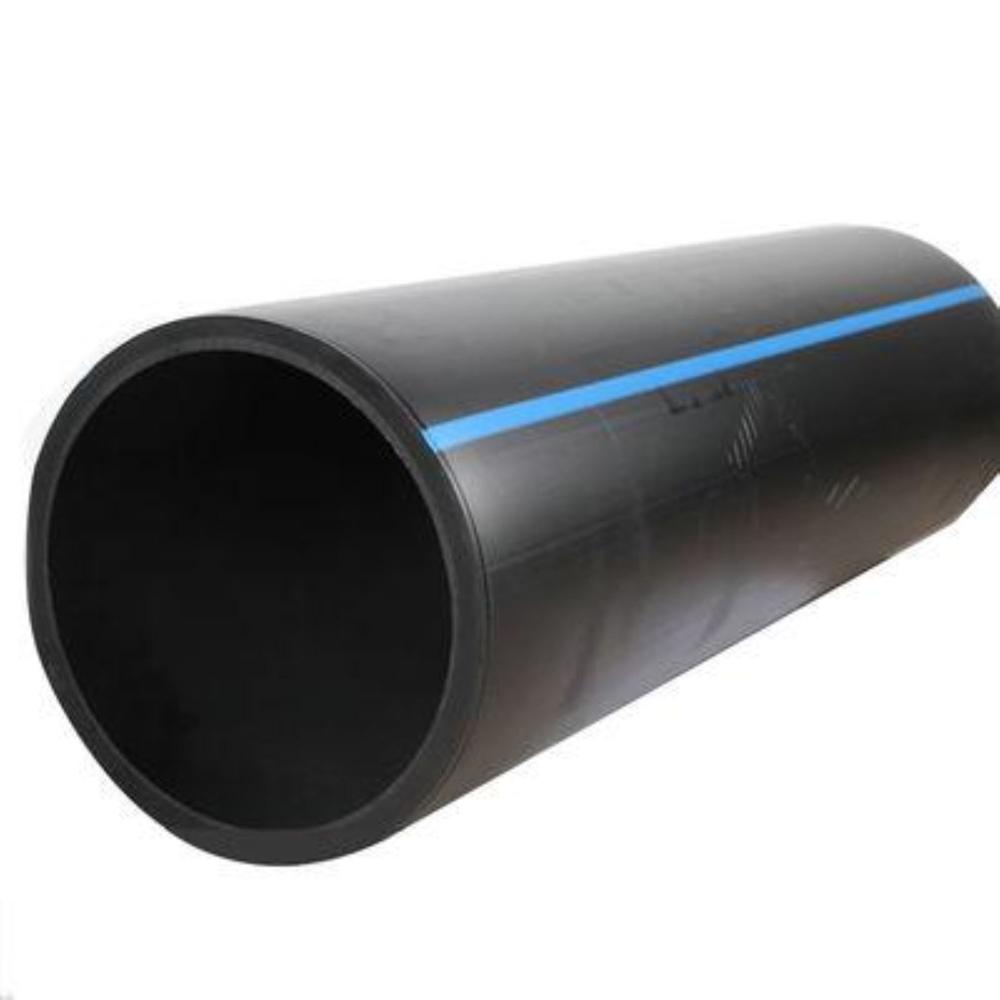
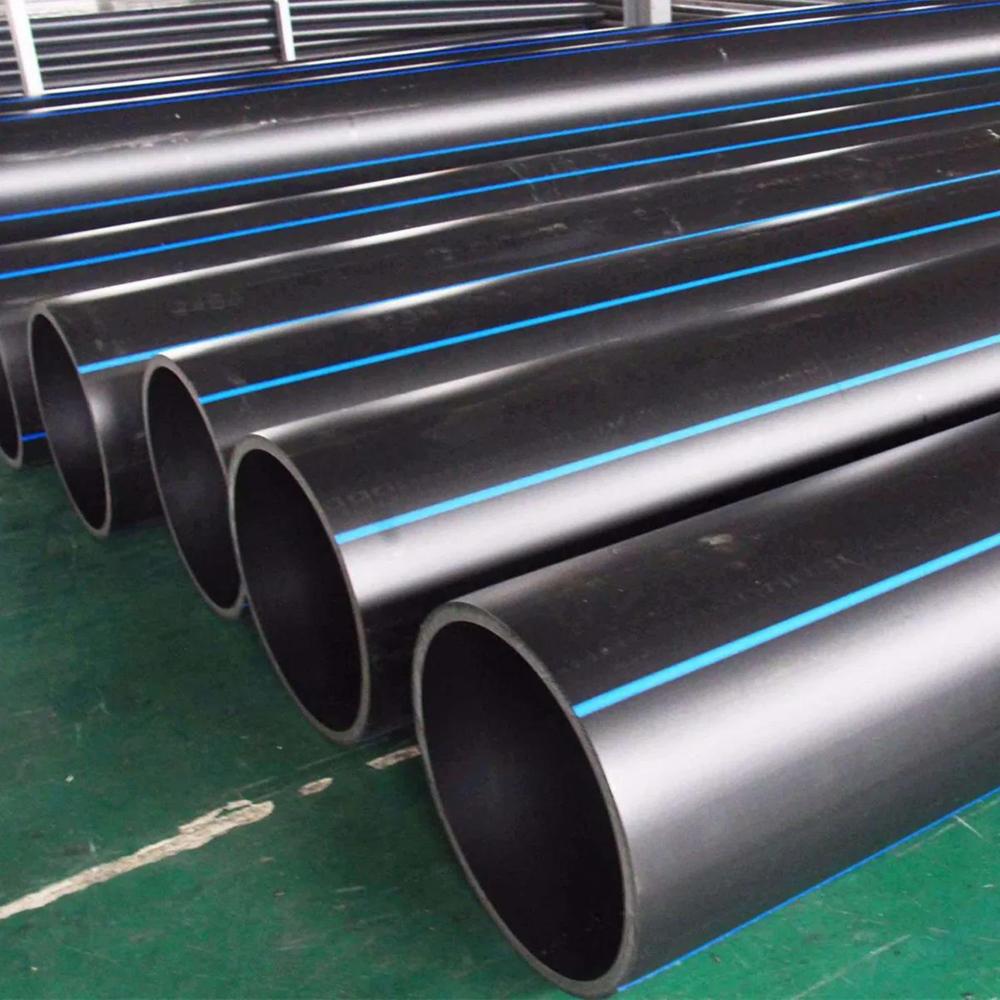
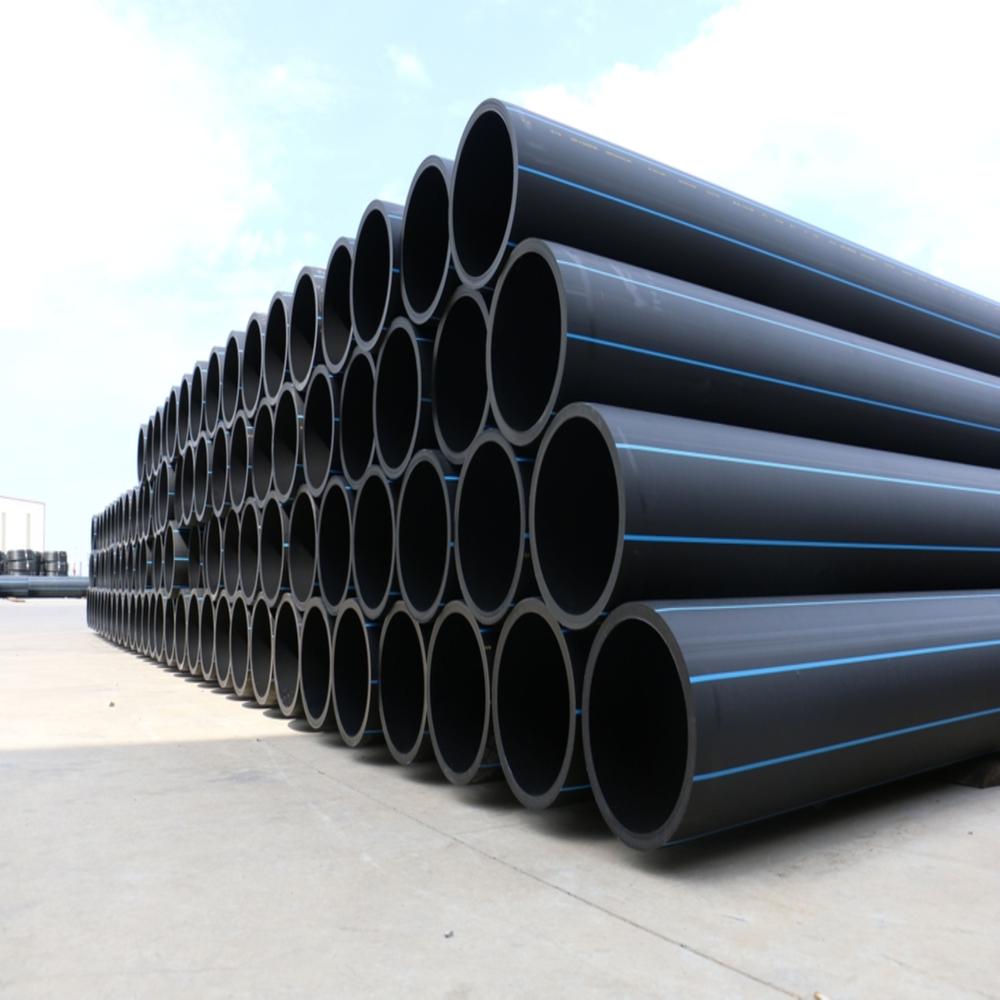
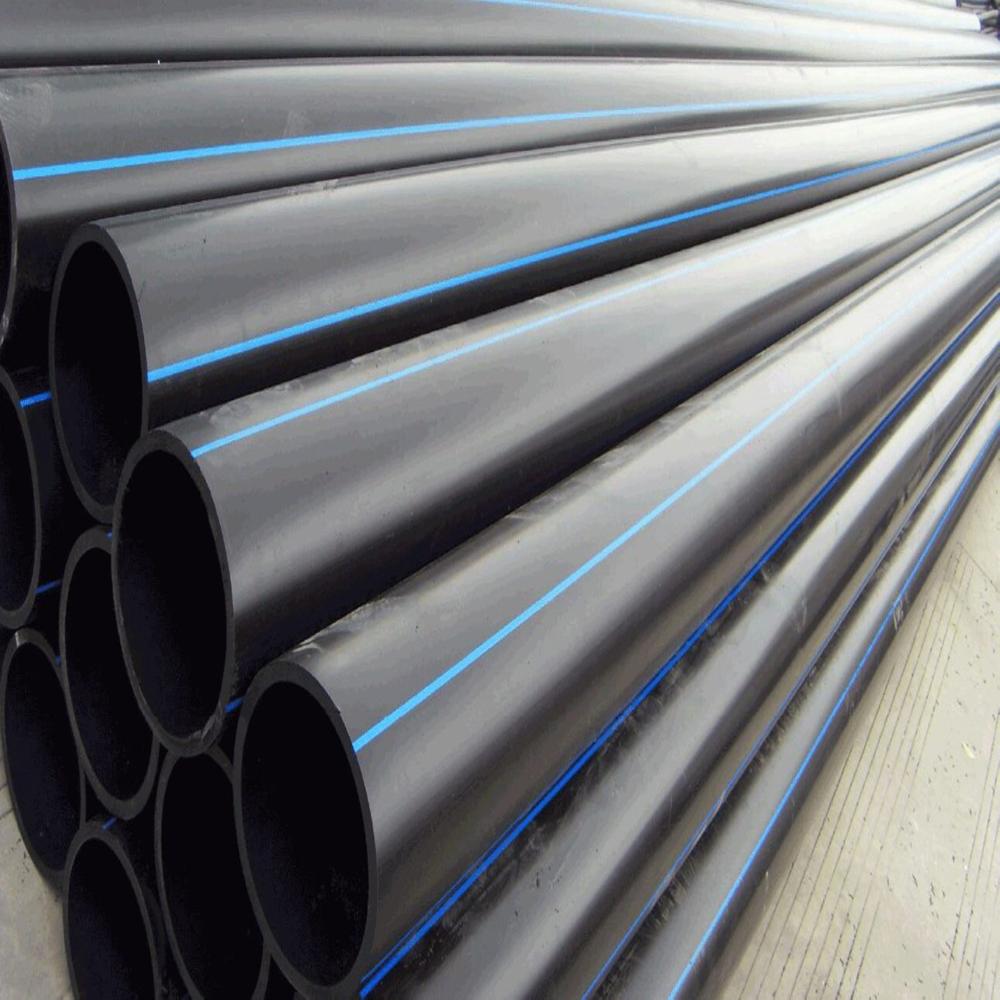
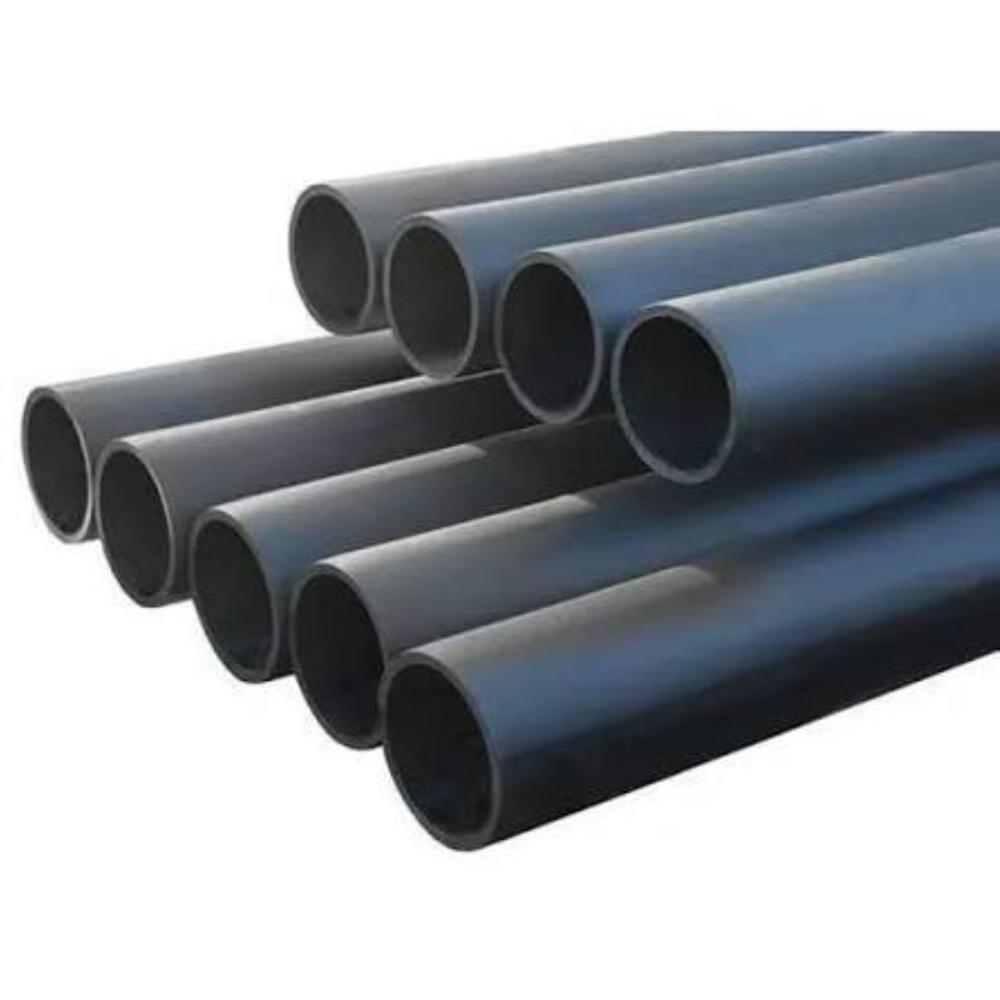
HDPE (High-Density Polyethylene) Drainage Pipes are durable, lightweight, and corrosion-resistant piping systems designed for efficient drainage and wastewater management. These pipes provide excellent flow performance due to their smooth inner surface and are highly resistant to chemicals, abrasion, and impact. Their long service life and leak-proof joints make them an ideal choice for underground drainage and infrastructure projects.
Key Features:
- Manufactured from premium-grade HDPE material
- Lightweight and easy to transport and install
- High impact and abrasion resistance
- Excellent chemical and corrosion resistance
- Smooth inner surface for maximum flow efficiency
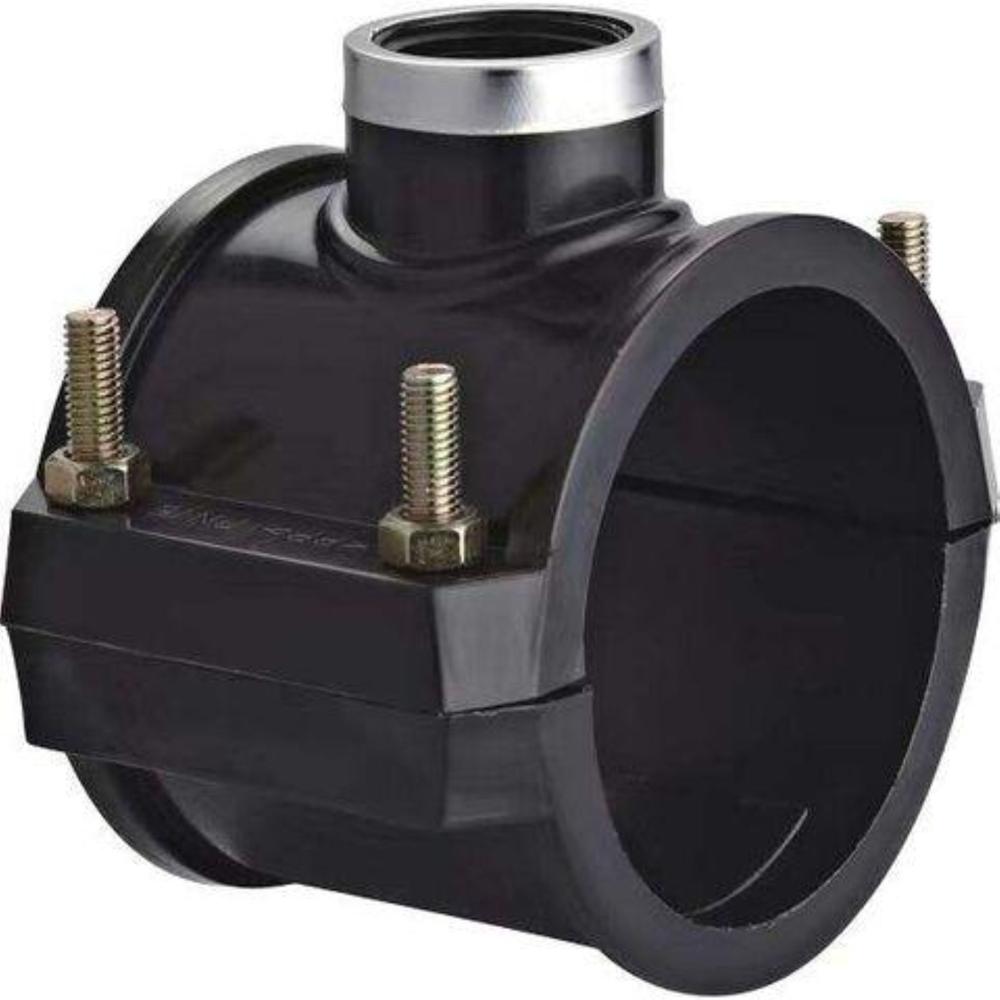
- Leak-proof butt fusion and electrofusion joints
- UV stabilized for outdoor storage
- Service life exceeding 50 years
- Low maintenance and cost-effective
Applications:
- Underground drainage systems
- Stormwater drainage
- Municipal drainage networks
- Residential and commercial drainage
- Industrial wastewater disposal
- Road and highway drainage
- Infrastructure and Smart City projects
- Landscaping and agricultural drainage systems
Exceptional Performance for All Drainage NeedsHDPE drainage pipe offers remarkable durability and adaptability. Its high ring stiffness and impact resistance make it suitable for underground use in varied conditions. With outstanding chemical and corrosion resistance, it efficiently handles wastewater, stormwater, and irrigation flows, accommodating pressures from 2.5 to 16 bar.
Minimal Maintenance and Long Service LifeBuilt to endure, these HDPE pipes require very little maintenance after installation. Their smooth inner bore reduces scaling and biological buildup, ensuring sustained high flow rates for decades. Popular in demanding environments, the pipes' non-toxic, non-leaching composition suits even certain potable water applications.
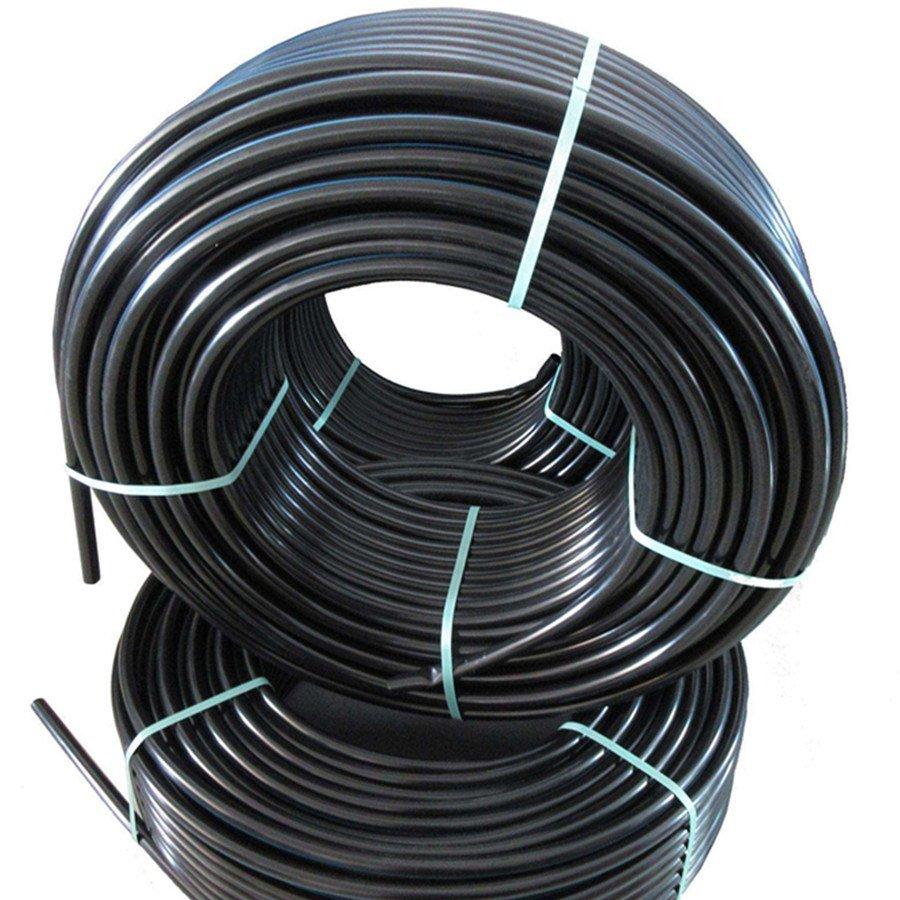
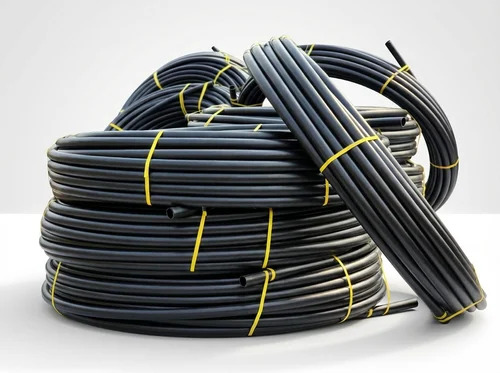
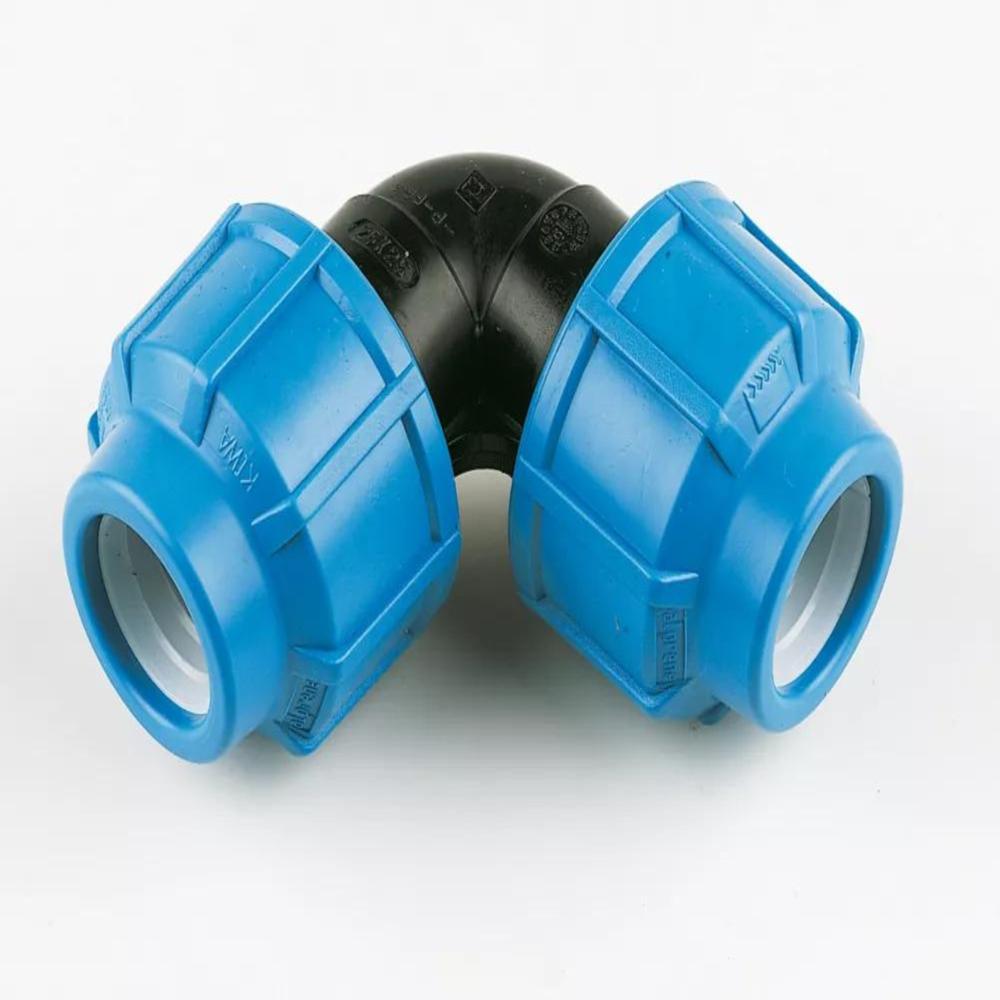
Flexible Installation OptionsThanks to their lightweight nature and flexibility, HDPE drainage pipes are easy to transport and lay, even in difficult terrains. Coiled or straight lengths, paired with butt fusion, electrofusion, compression fittings, or mechanical couplings, provide versatile connection solutions during installation on site.
FAQ's of Hdpe Drainage Pipe:
Q: How are HDPE drainage pipes typically joined during installation?
A: HDPE drainage pipes can be joined using several methods, including butt fusion welding, electrofusion, mechanical couplings, compression fittings, or flanged joints. The choice depends on project requirements and pipe dimensions.
Q: What applications are HDPE drainage pipes suitable for?
A: These pipes are widely used in drainage systems, sewage, storm water management, and irrigation due to their high chemical resistance, flexibility, and smooth-bore design that promotes efficient water flow.
Q: When should I select SN2, SN4, or SN8 ring stiffness grades?
A: The appropriate ring stiffness grade depends on installation depth, soil conditions, and expected load. SN2 is suitable for light loads or shallow burial, SN4 for moderate conditions, and SN8 for heavily loaded or deeply buried underground installations.
Q: What is the recommended temperature range for HDPE drainage pipes?
A: The pipes are designed to operate in environments from -40C up to +60C, making them reliable for diverse climatic and industrial conditions.
Q: Where can HDPE drainage pipes be installed?
A: They are ideal for both outdoor and underground installations, including urban infrastructure, agricultural fields, and industrial sites, thanks to their flexibility, impact resistance, and resilience against chemicals and UV rays.
Q: How does the smooth inner surface benefit the pipe's performance?
A: The smooth internal bore decreases friction losses and prevents scaling, resulting in higher, sustained flow rates and reduced risk of blockages over time.
Q: What are the key benefits of using HDPE pipes for drainage?
A: Key advantages include long working life (over 50 years under normal conditions), recyclability, eco-friendliness, low maintenance, robust impact and abrasion resistance, and suitability for potable water in select variants.






 Send Inquiry


 Send Inquiry
 Send Inquiry
 Send SMS