Hdpe Pvc Pipe About
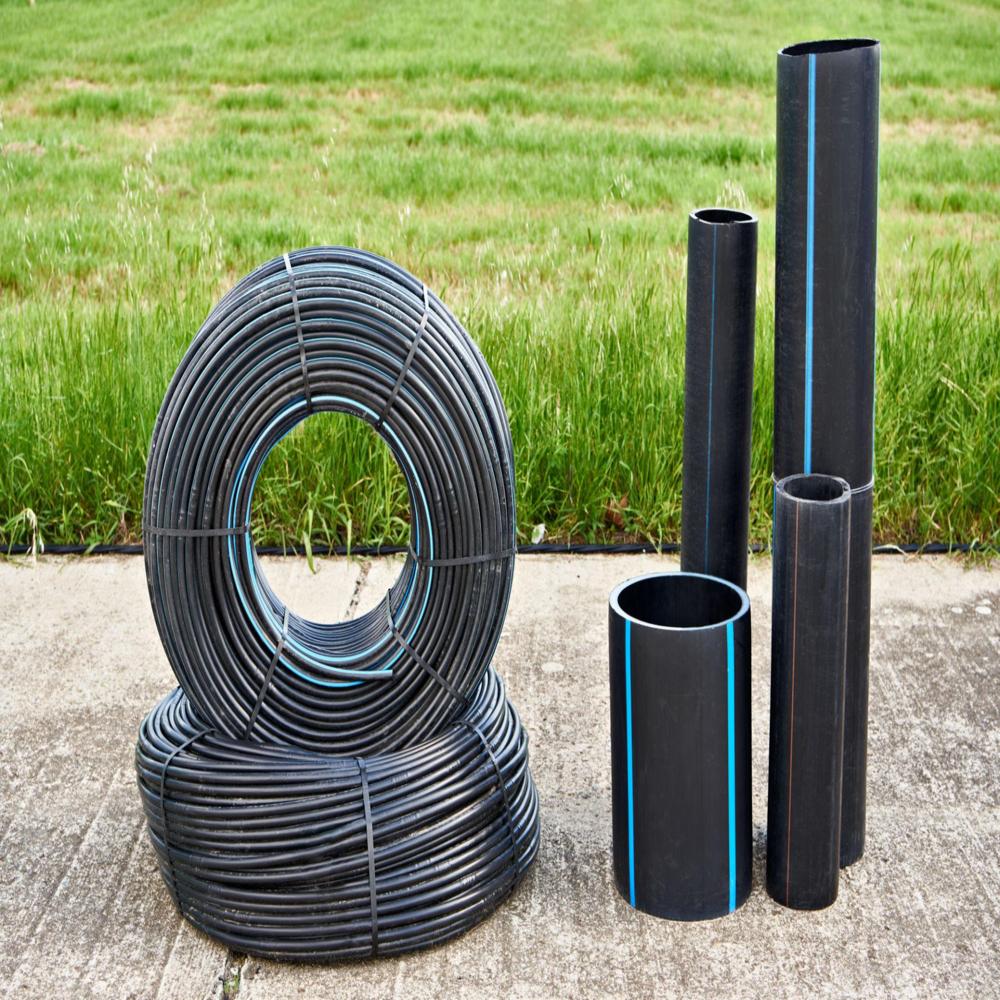
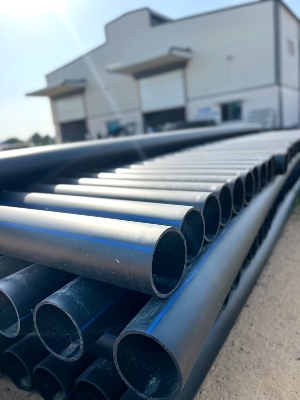
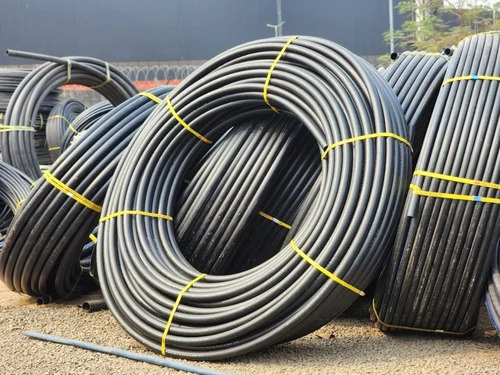
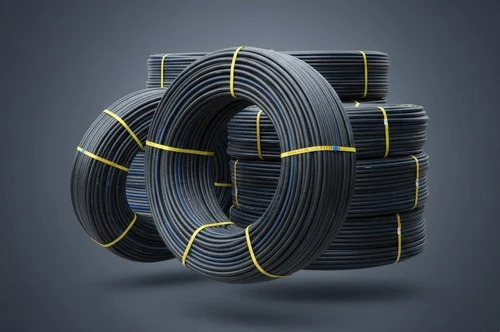
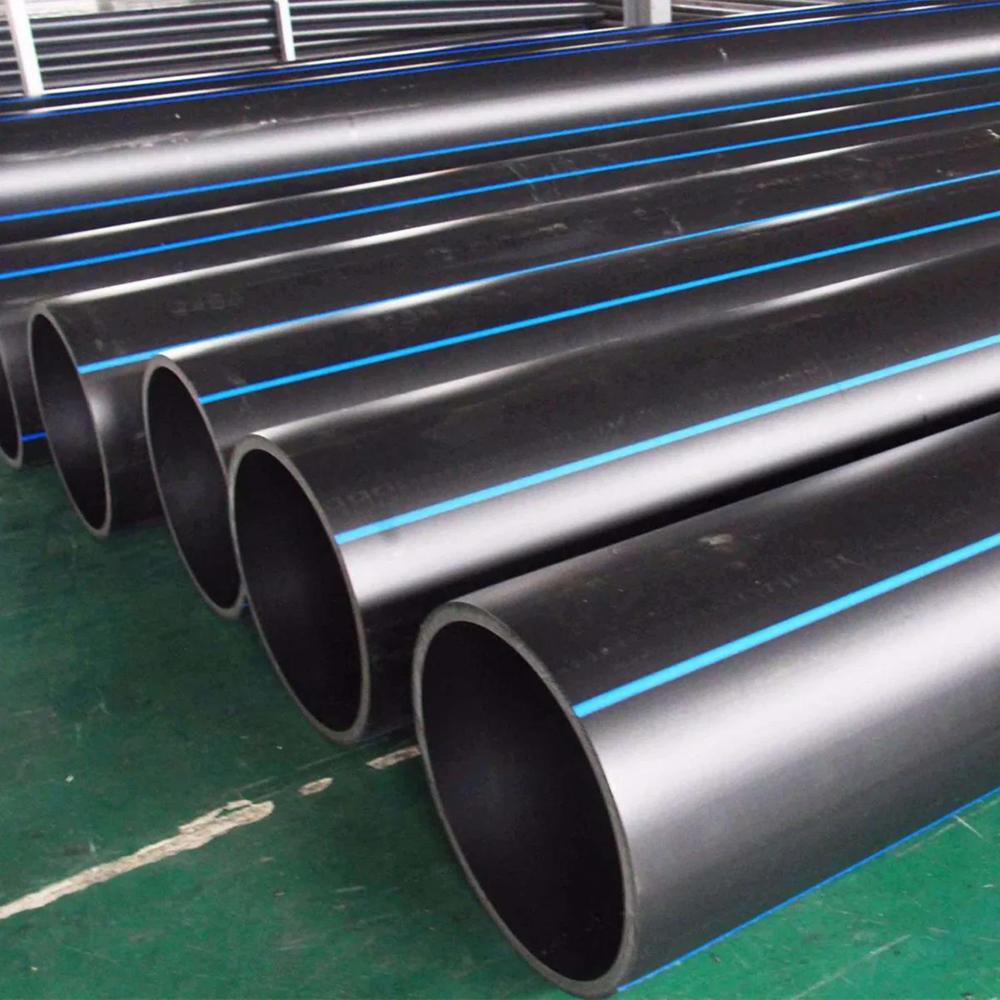
Black PVC Pipe is a durable, lightweight, and corrosion-resistant thermoplastic pipe designed for water distribution, irrigation, drainage, industrial fluid transport, cable protection, and other utility applications. The black colour provides improved UV resistance for outdoor installations, making it suitable for long-term exposure to sunlight. Its smooth internal surface reduces friction loss and ensures efficient fluid flow.
Specifications
| Parameter |
Specification |
| Material |
Polyvinyl Chloride (PVC / uPVC) |
| Colour |
Black |
| Diameter Range |
20 mm to 315 mm OD (larger sizes available from some manufacturers) |
| Pressure Class |
PN 2.5, PN 4, PN 6, PN 8, PN 10, PN 12.5, PN 16 |
| Standard Length |
3 m, 6 m (custom lengths available) |
| Joint Type |
Solvent Cement Joint / Rubber Ring Joint (RRJ) |
| Temperature Range |
Up to 60C (typical operating temperature) |
| Surface Finish |
Smooth inner and outer surface |
| Standards |
IS 4985 (uPVC pressure pipes), ASTM/DIN standards as applicable |
| Service Life |
More than 50 years under recommended operating conditions |
Features
- UV-resistant black colour for outdoor use
- Lightweight and easy to install
- Corrosion, rust, and chemical resistant
- Smooth bore for high flow efficiency
- Leak-proof joints
- Low maintenance
- Strong and durable
- Long service life
Applications
- Agricultural irrigation systems
- Water supply pipelines
- Industrial fluid conveyance
- Cable and utility protection
- Drainage systems
- Borewell and infrastructure projects
Superior Durability and VersatilityHDPE and PVC pipes combine chemical resistance, strength, and flexibility, making them ideal for diverse uses-from water supply to fire safety systems and underground cable protection. Their robust design ensures resilience against abrasion, UV radiation, and biological growth in harsh industrial and environmental conditions.
Efficient, Leak-Proof Flow and InstallationSmooth inner surfaces minimize friction losses, promoting efficient fluid transport. Their flexibility permits easy installation with options such as butt fusion, electrofusion, flange, and mechanical fittings. The minimum bending radius accommodates adaptive installation in varied terrain, reducing labor and jointing costs.
Eco-Friendly and Long-Lasting SolutionWith a design life of up to 50 years, these pipes are recyclable and produce no toxic byproducts, aligning with sustainable infrastructure goals. Their corrosion resistance and compatibility with potable water underline their role in providing safe, clean water solutions.
FAQ's of Hdpe Pvc Pipe:
Q: How are HDPE and PVC pipes installed for different applications?
A: Installation of HDPE and PVC pipes is straightforward due to their flexibility and lightweight nature. They can be joined using methods like butt fusion, electrofusion, flange, or compression fittings, depending on the application. This versatility allows for quick and secure connections in both underground and above-ground projects.
Q: What makes these pipes suitable for potable water supply and sensitive applications?
A: HDPE and PVC pipes are entirely non-toxic and designed with a smooth inner surface to minimize contamination risks, making them ideal for potable water supply. They comply with internationally recognized standards (IS 4984, ISO 4427) to guarantee water safety and maintain water quality over decades of use.
Q: Where can these pipes be used apart from standard water supply?
A: Beyond water supply, these pipes are extensively used in agricultural irrigation, sewage management, gas pipelines, firefighting systems, and as cable ducting. Their outstanding chemical resistance and electrical insulation make them suitable for industrial and infrastructure projects.
Q: What benefits does the smooth inner surface provide to users?
A: The smooth inner surface of these pipes significantly reduces friction losses, resulting in improved flow rates and energy efficiency. This feature helps lower operational costs by reducing pumping pressures needed to transport fluids over long distances.
Q: When should one opt for HDPE or PVC pipes based on temperature and pressure requirements?
A: Choose HDPE or PVC pipes when the operating environment falls within the temperature range of -40C to +60C and pressures between 2.5 to 16 bar (according to class and diameter requirements). For high-burst pressure demands, HDPE pipes offering up to 45 bar are recommended.
Q: How do these pipes contribute to sustainability and eco-friendliness?
A: HDPE and PVC pipes are recyclable and produce no toxic residues, supporting environmentally conscious construction. Their extended lifespan, up to 50 years, reduces the need for frequent replacements, contributing to reduced resource consumption and waste generation.
Q: What processes are involved in joining and maintaining these pipes?
A: HDPE and PVC pipes can be joined using welding processes (butt fusion or electrofusion) for a leak-proof seal or through mechanical fittings that simplify installation. Maintenance is minimal due to their resistance to corrosion, leaks, and biological growth.






 Send Inquiry


 Send Inquiry
 Send Inquiry
 Send SMS