DWC Sewage Pipe About
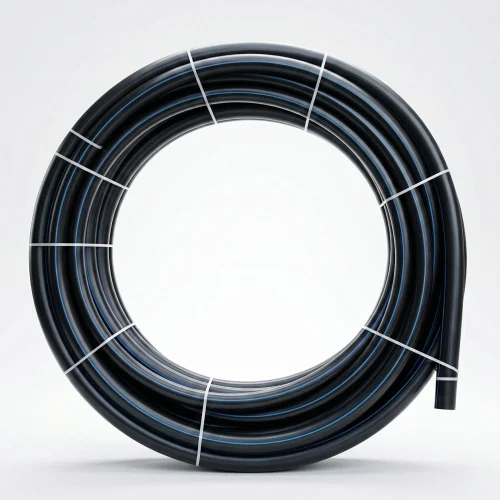
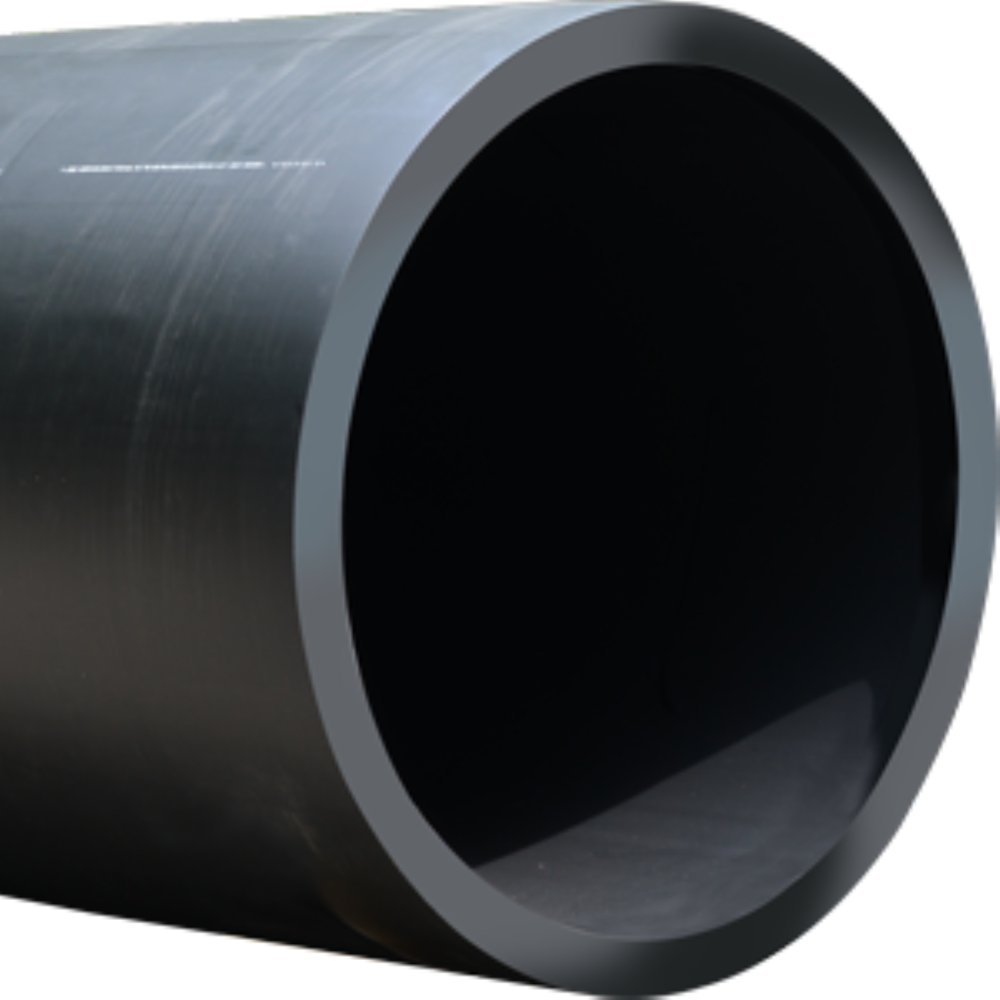
HDPE Sewage Pipes are high-performance piping systems manufactured from High-Density Polyethylene (HDPE), specially designed for underground sewerage, wastewater, stormwater drainage, and industrial effluent applications. These pipes offer excellent resistance to corrosion, chemicals, abrasion, and impact, ensuring long-term durability and leak-free performance even in harsh environments.
HDPE Sewage Pipes are lightweight, easy to transport and install, and are joined using butt fusion or electrofusion welding, creating a strong, monolithic pipeline with zero leakage. Their smooth inner surface provides superior flow characteristics, reduces blockages, and minimizes maintenance costs.
Available in various diameters, pressure ratings, and lengths, HDPE Sewage Pipes are widely used in municipal sewer networks, residential and commercial drainage systems, industrial wastewater disposal, infrastructure projects, and stormwater management systems.
Features:
- High corrosion and chemical resistance
- Leak-proof fused joints
- Excellent impact and abrasion resistance
- Lightweight and easy to install
- Smooth inner bore for high flow efficiency
- UV stabilized for outdoor storage
- Long service life of 50+ years
- Low maintenance and cost-effective
Applications:
- Underground sewerage systems
- Municipal wastewater networks
- Industrial effluent disposal
- Stormwater drainage
- Residential and commercial drainage
- Infrastructure and smart city projects
- Water treatment and sewage treatment plants (STP)
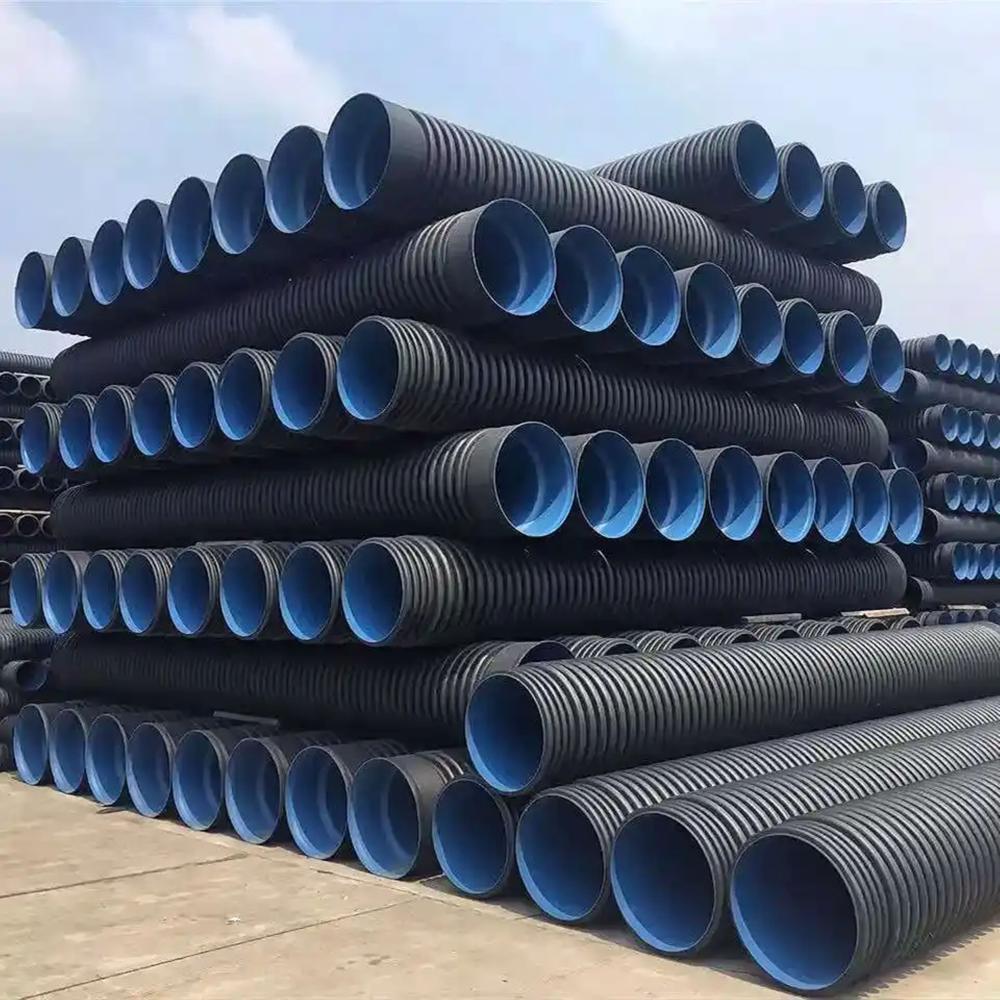
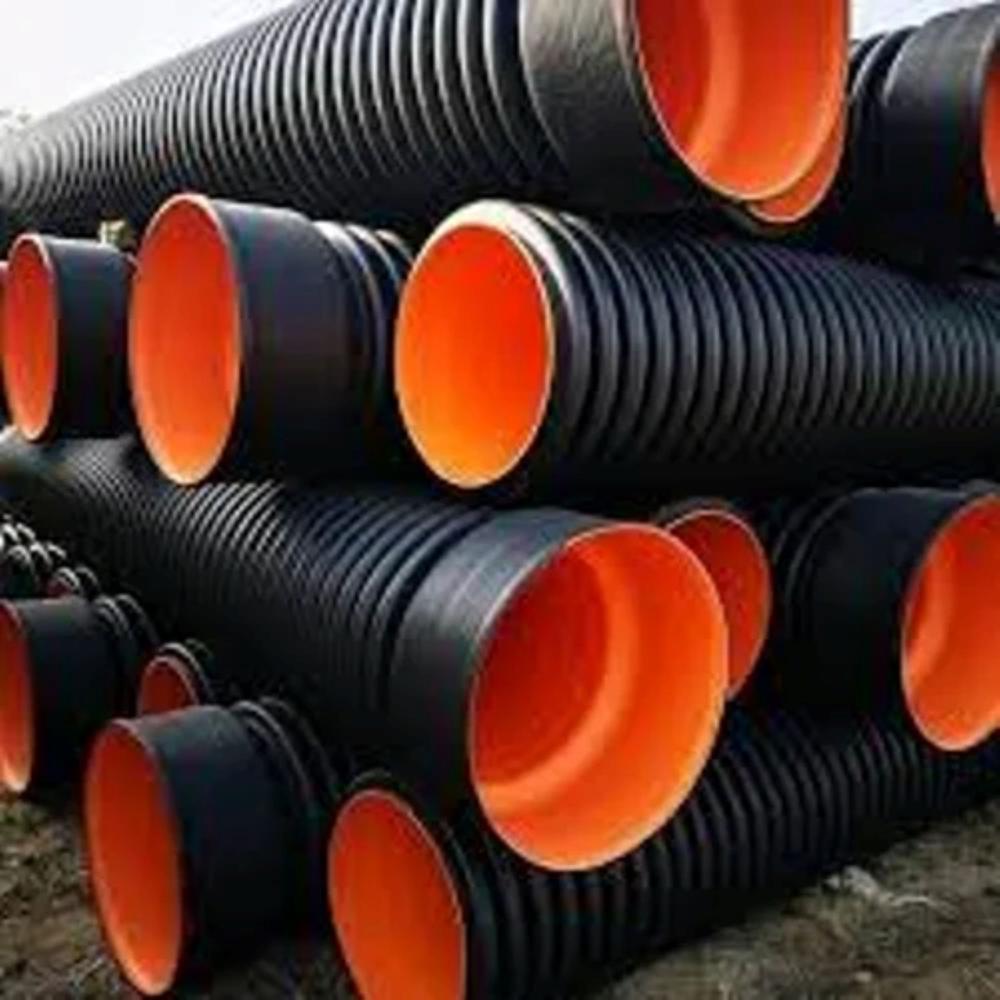
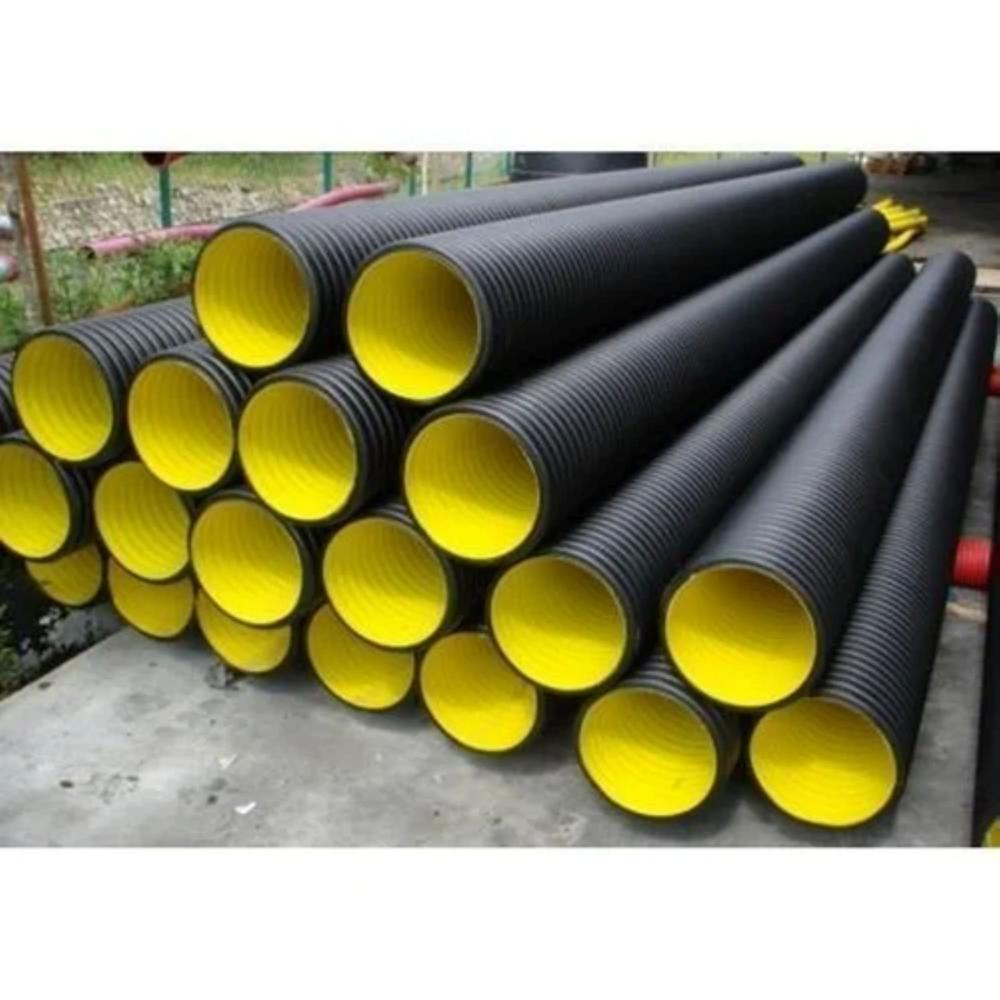
Superior Flow and Strength DesignThe smooth inner surface minimizes friction to maximize sewage and wastewater flow, while the corrugated external wall provides robustness, flexibility, and advanced resistance against soil loads and ground movement. This dual-structure design ensures reliable operation in diverse installation environments, improving service life and ease of handling.
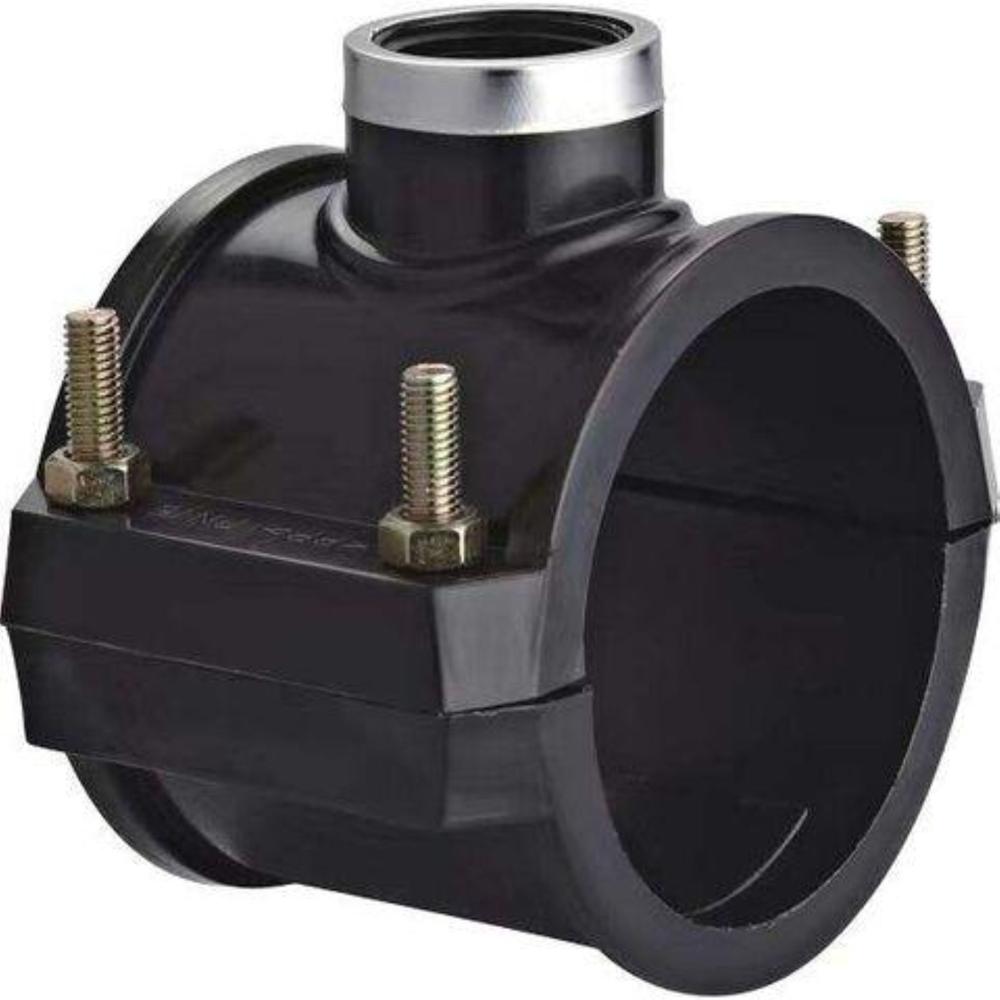
Versatile Jointing and Installation MethodsHDPE Sewage Pipes offer versatile jointing options, including push-fit or rubber ring systems and electrofusion. Suitable for both trenchless and open-trench installation methods, these pipes adapt to complex site conditions, allowing quick assembly, leak-proof connections, and reduced disruption during infrastructure projects.
Chemical and Environmental ResilienceMade from premium HDPE material, these pipes resist deterioration from acids, alkalis, salts, and other aggressive chemicals. With a density of 0.941-0.965 g/cm3 and UV-stabilized compounds, they maintain structural integrity under prolonged sun exposure and extreme environmental changes, ensuring reliability for over 50 years.
FAQ's of HDPE Sewage Pipe:
Q: How are HDPE sewage pipes installed in different environments?
A: HDPE sewage pipes can be installed using open trench or trenchless methods, making them adaptable to urban, residential, or agricultural environments. The flexible design and jointing options, such as push-fit, rubber ring, or electrofusion, enable quick and reliable installation with minimal earthwork or disruption.
Q: What are the performance benefits of smooth inner and corrugated outer surfaces?
A: The smooth inner surface reduces flow resistance, ensures high hydraulic efficiency, and helps prevent blockages. The corrugated exterior provides structural strength, improved flexibility, and excellent resistance to external loads, making these pipes ideal for gravity and pressure-based sewer networks.
Q: When should I choose HDPE sewage pipes over traditional materials?
A: HDPE pipes are preferred when chemical resistance, flexibility, lightweight handling, and long service life are required. They outperform traditional materials like concrete or metal in environments facing aggressive chemicals, variable loads, or challenging installation conditions due to their corrosion-resistant and self-extinguishing properties.
Q: Where are HDPE sewage pipes commonly used?
A: These pipes are widely used in municipal sewage systems, industrial effluent networks, residential drainage lines, agricultural irrigation, stormwater management, and wastewater pipelines. Their adaptability and resilience suit both urban infrastructure and remote site installations.
Q: What jointing options are available for HDPE sewage pipes?
A: You can choose between push-fit joints with rubber rings for quick, tool-free assembly, or electofusion welding for permanent, leak-proof connections. These jointing systems ensure secure and durable linkages depending on project requirements and pressure conditions.
Q: How do maintenance requirements compare to other pipe materials?
A: HDPE sewage pipes require minimal maintenance due to their high impact strength, chemical resistance, and smooth bore, which prevents sediment buildup and blockages. Unlike metal or concrete pipes, they are not prone to corrosion, scaling, or cracking, reducing lifecycle maintenance costs.
Q: What is the estimated lifespan of HDPE sewage pipes?
A: With proper installation and usage, HDPE sewage pipes offer a lifespan of up to 50 years. They are engineered to withstand environmental stress, chemical exposure, UV rays, and mechanical loads, providing reliable service for long-term infrastructure projects.






 Send Inquiry


 Send Inquiry
 Send Inquiry
 Send SMS