Industrial Plastic Pipes About
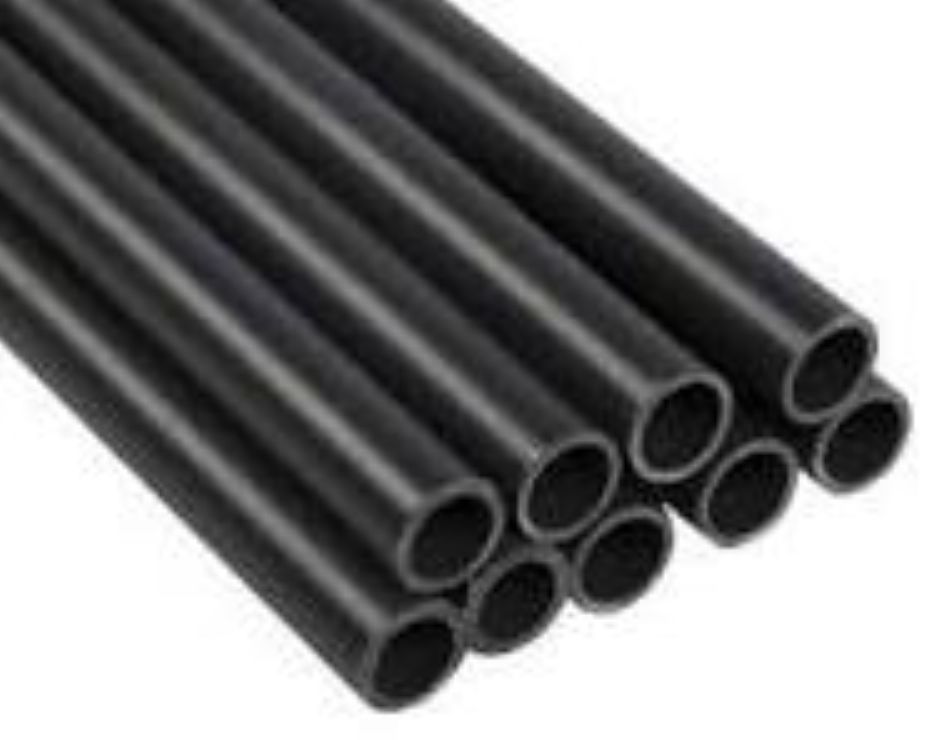
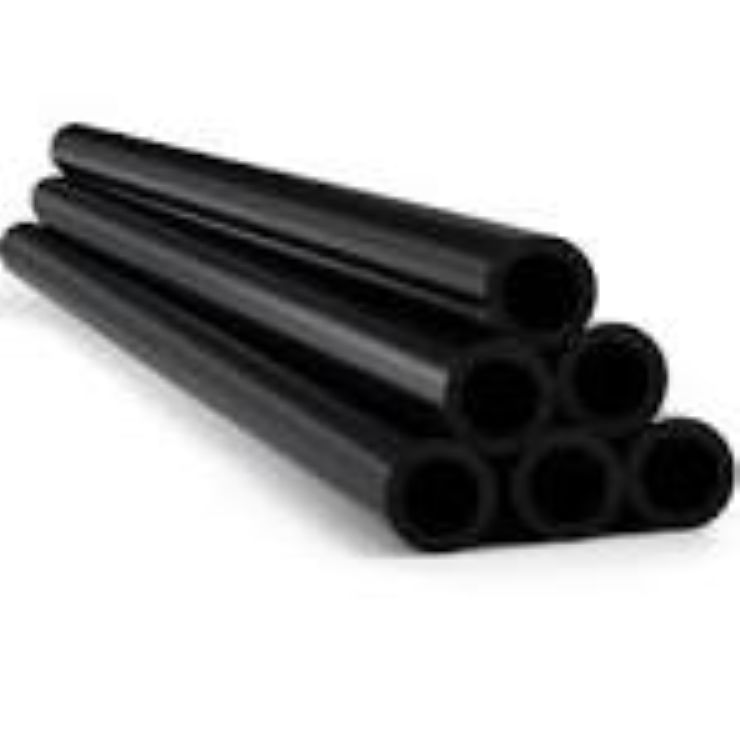
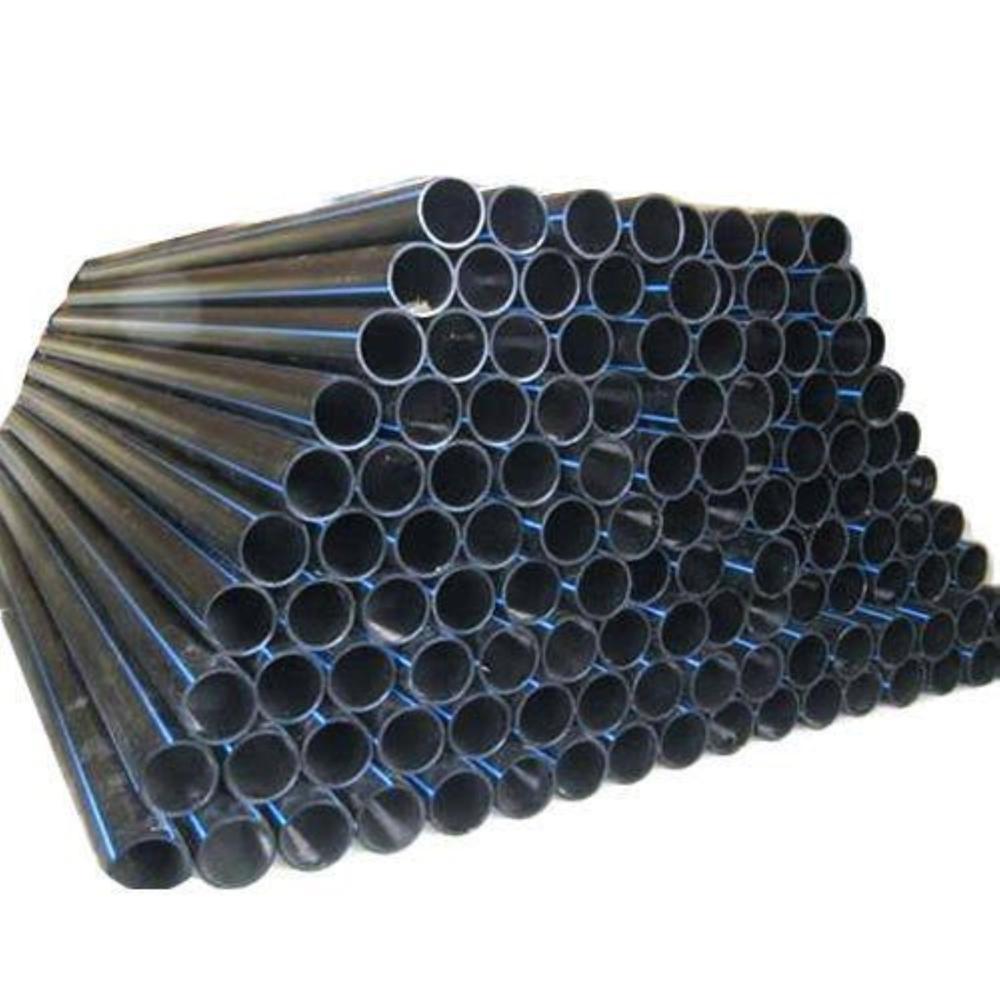
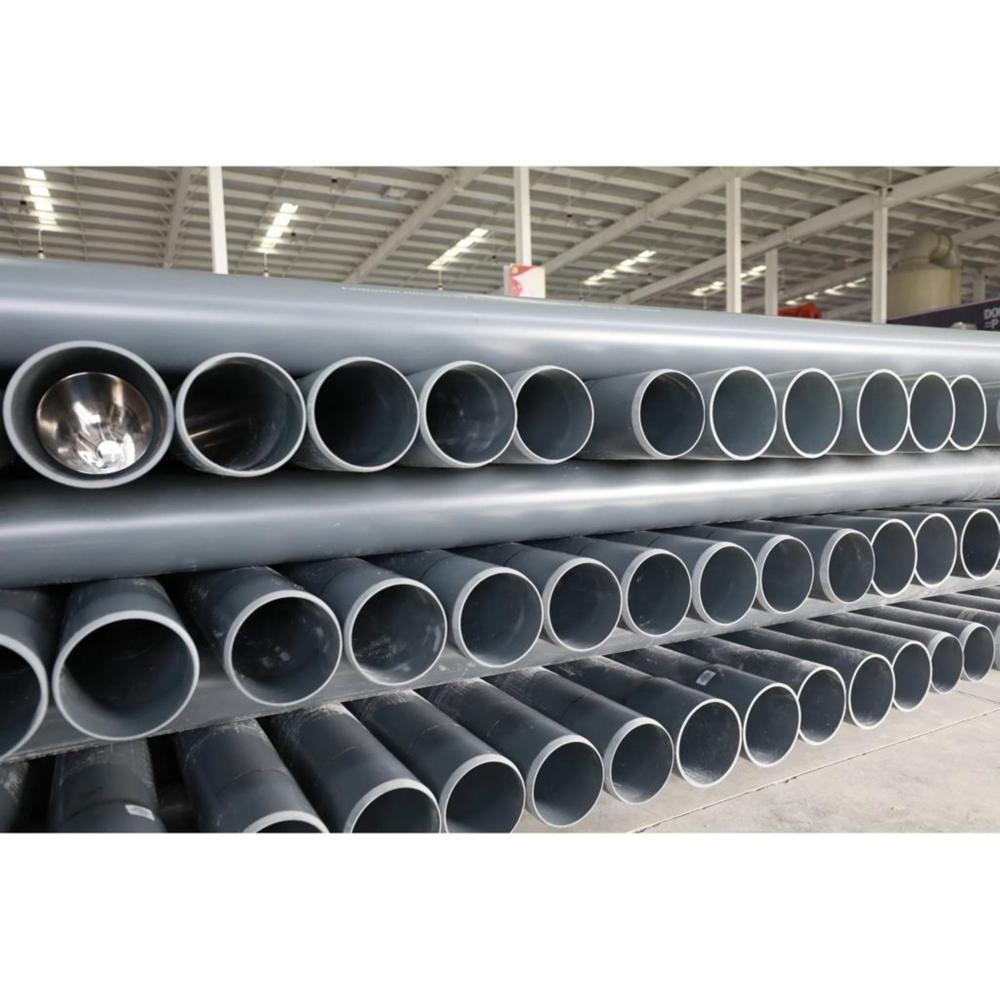
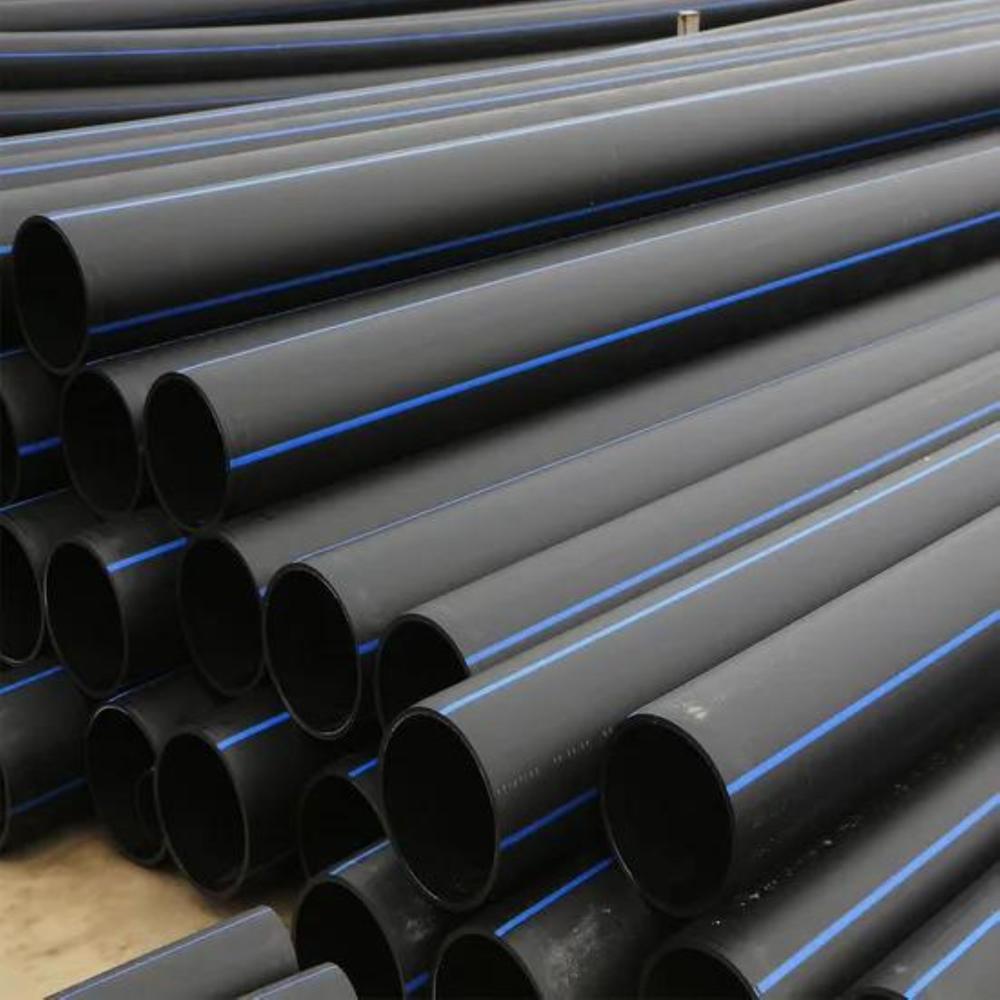
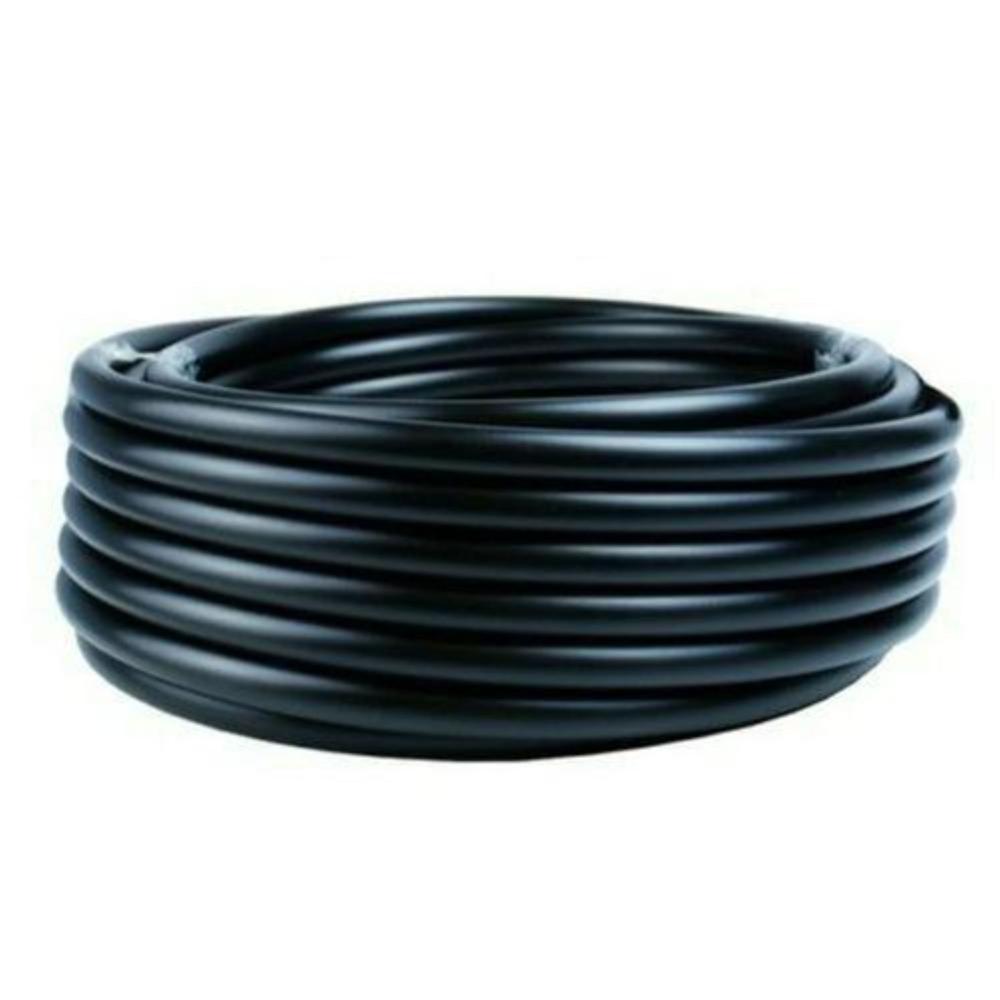
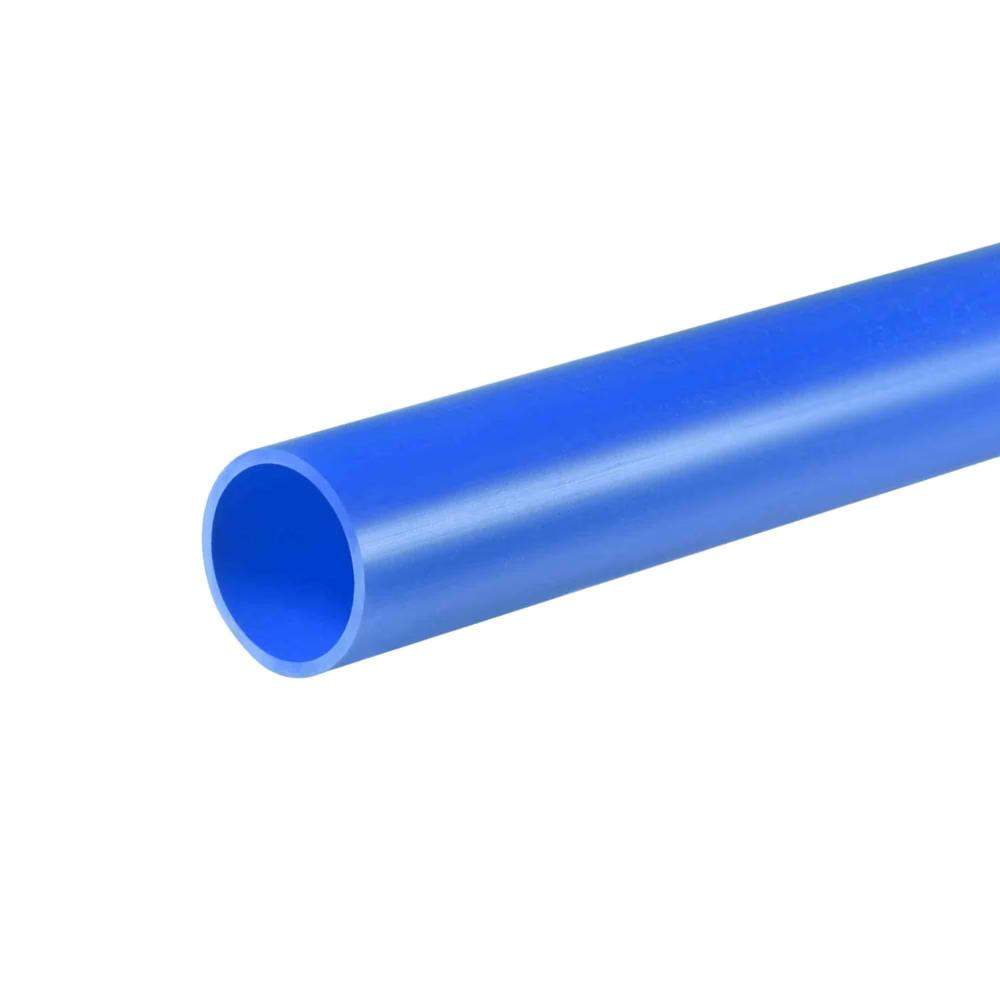
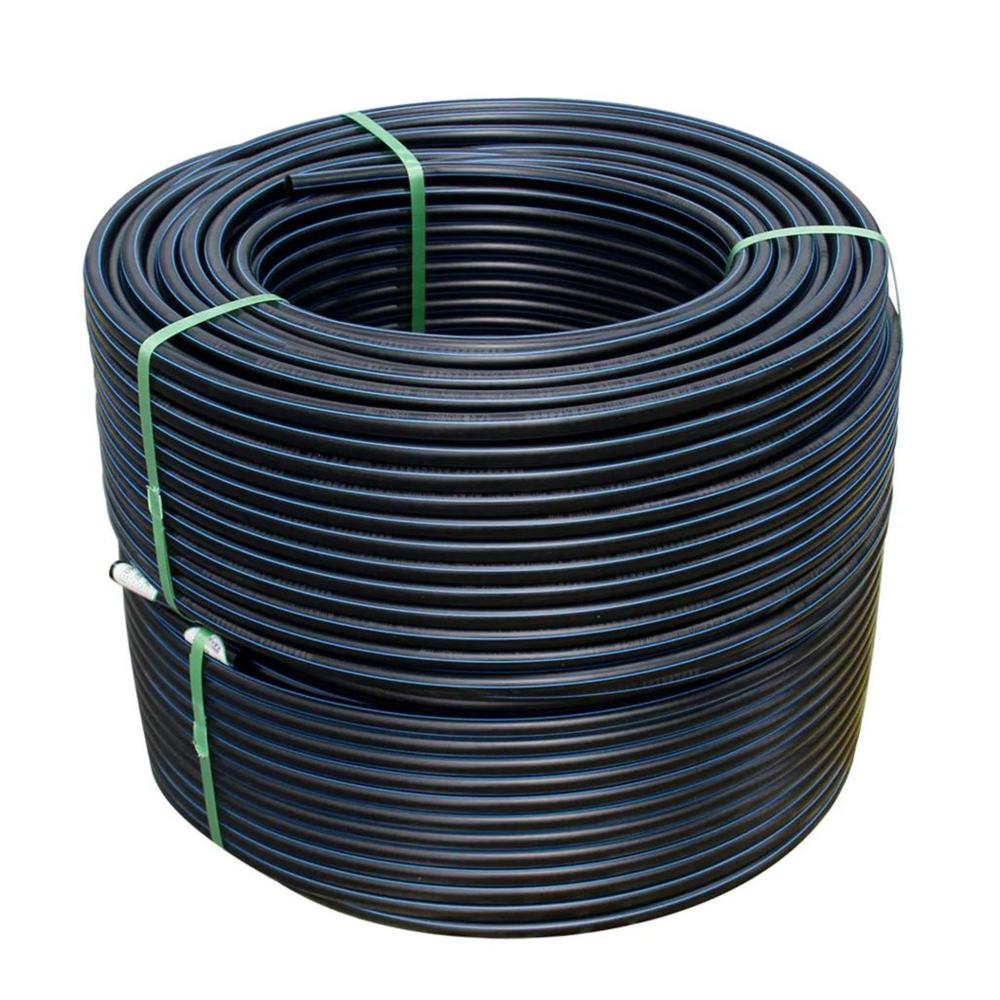
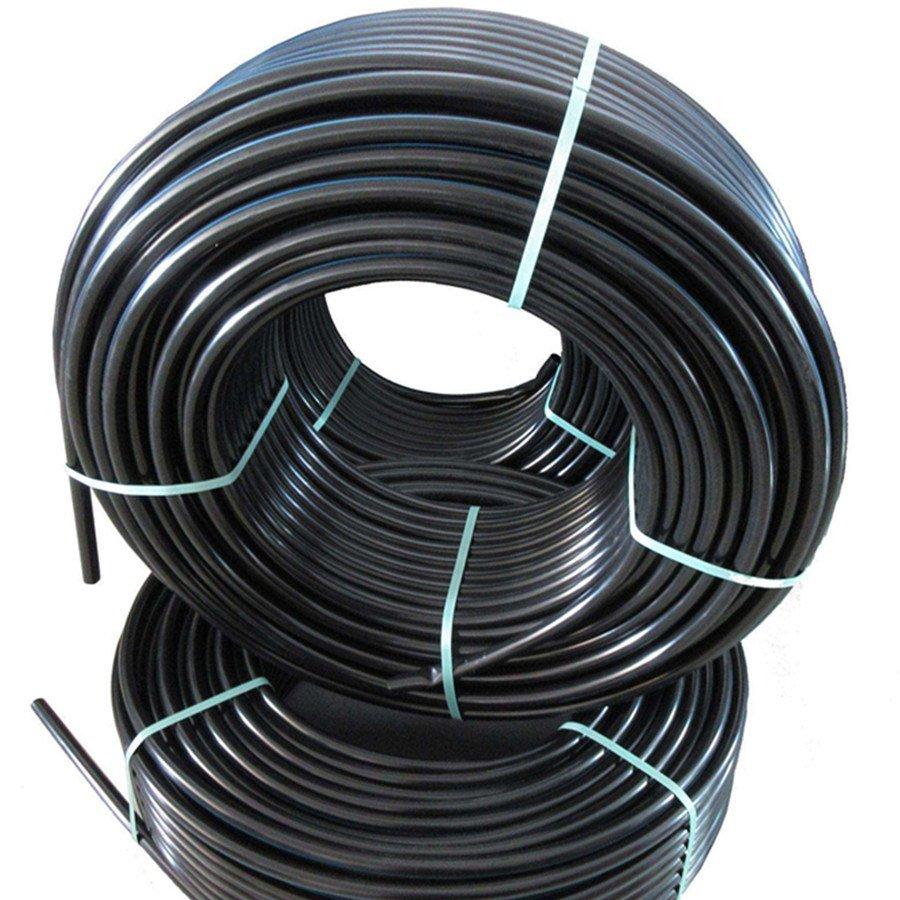
Industrial Plastic Pipes are manufactured from premium-quality engineering thermoplastics such as HDPE (High-Density Polyethylene), PP (Polypropylene), uPVC (Rigid PVC), and MDPE (Medium-Density Polyethylene) to meet the demanding requirements of industrial and infrastructure applications. These pipes are designed for the safe and efficient transportation of water, chemicals, compressed air, slurries, and other industrial fluids.
With excellent mechanical strength, corrosion resistance, and long-term durability, Industrial Plastic Pipes provide a reliable alternative to conventional metal piping systems. Their lightweight construction, smooth internal surface, and leak-proof jointing ensure easy installation, high flow efficiency, and minimal maintenance throughout their service life.
Key Features
- Manufactured from premium-grade thermoplastic materials.
- High strength with excellent impact resistance.
- Resistant to corrosion, rust, chemicals, and abrasion.
- Smooth internal bore for maximum flow efficiency and low pressure loss.
- Lightweight and easy to transport, handle, and install.
- Leak-proof joints using butt fusion, electrofusion, solvent cement, or compression fittings.
- UV stabilized for outdoor installations (selected grades).
- Suitable for underground and above-ground applications.
- Low maintenance and environmentally friendly.
- Service life of more than 50 years under normal operating conditions.
Applications
- Industrial Water Supply Systems
- Chemical Processing Plants
- Water & Wastewater Treatment Plants
- Effluent Disposal Systems
- Pharmaceutical Industries
- Food & Beverage Processing
- Power Plants
- Mining & Slurry Transportation
- Oil & Gas Utility Networks
- Irrigation & Agriculture
- Infrastructure & Construction Projects
- Municipal Water Distribution
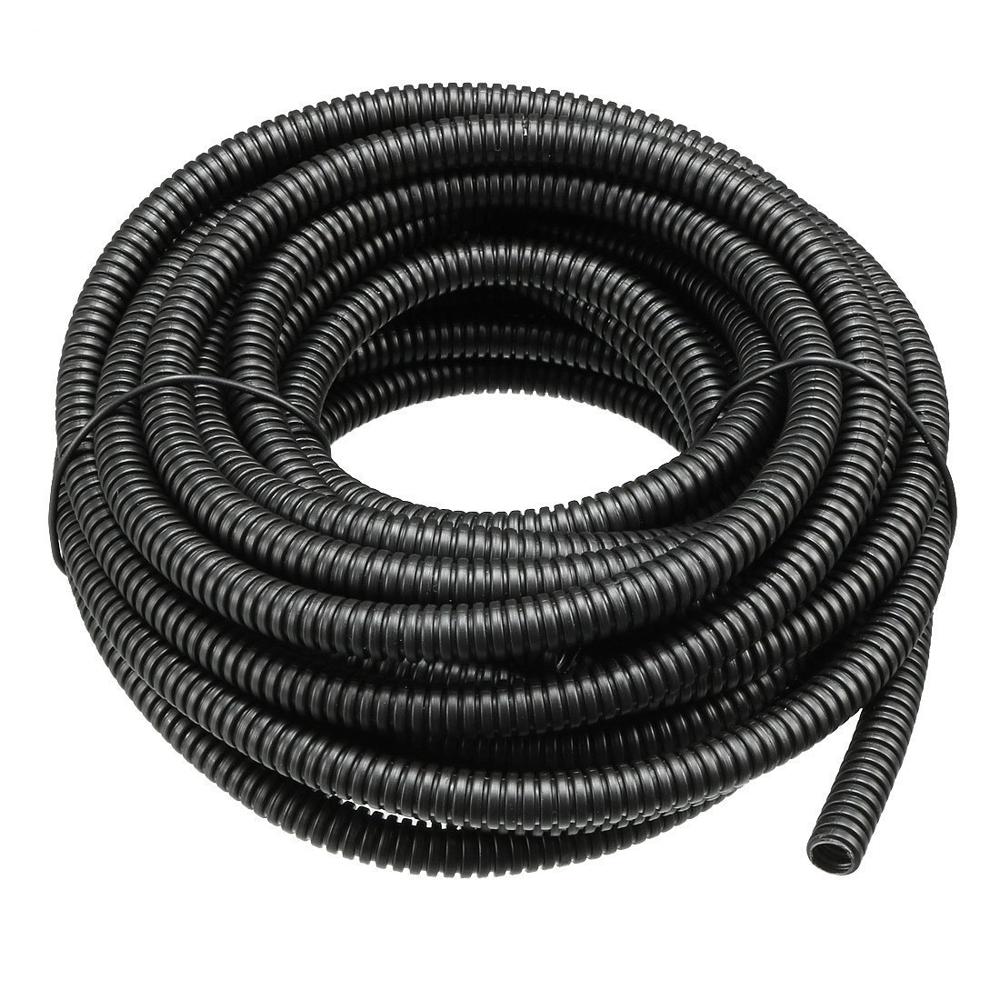
- Cable Protection & Telecom Ducting
Superior Durability & Chemical ResistanceEngineered with high-density polyethylene (HDPE) and PVC, our pipes are highly resistant to corrosion and a wide range of chemicals. This property ensures longevity and reliability, especially in demanding industrial applications involving fluids and gases. The robust construction extends the lifespan of the pipes to between 25 and 50 years with proper use.
Flexible Installation OptionsThese pipes are remarkably flexible, making installation simple even in complex layouts. Whether you're running lines above ground or below, the easy-to-handle nature and range of available jointing systems-such as welding, butt fusion, electrofusion, flanged, or socket connections-allow fast, secure setup without extensive equipment. Length and thickness can be customized to your requirements.
FAQ's of Industrial Plastic Pipes:
Q: How do industrial plastic pipes perform under different temperatures?
A: These pipes are designed to operate efficiently between -20C and +60C, maintaining structural integrity and performance in diverse climates. The material resists brittleness in cold and does not deform easily under heat, making them reliable year-round.
Q: What are the benefits of using UV-stabilized industrial plastic pipes outdoors?
A: The UV-stabilized grade protects the pipes from solar degradation, preventing cracks and loss of strength over time. This makes them ideal for prolonged above ground applications, ensuring they remain durable and functional even with direct sun exposure.
Q: When is it advisable to use welding or mechanical fittings for jointing?
A: Welding methods like butt fusion and electrofusion are ideal for creating leak-proof, permanent joints, especially in high-pressure situations. Mechanical fittings offer quicker, less permanent connections and are often used for ease of maintenance or when modifications are anticipated.
Q: Where can these industrial plastic pipes be installed?
A: They are suitable for both above ground and underground installation. The flexibility and lightweight nature make them easy to lay in varied terrains, while their non-toxic quality makes them safe for municipal water supply, industrial transferlines, and waste management systems.
Q: What applications are these pipes best suited for?
A: Designed for versatility, they excel in the transfer of industrial fluids and gases, water distribution networks (including potable water), and systems for waste management. Their resistance to chemicals and corrosion allows for use in harsh industrial environments.
Q: How do I ensure the correct specification for burst pressure and installation?
A: Select the pipe diameter and thickness in accordance with the required operating pressure-these pipes are rated for burst pressures up to 32 bar and working pressures from 2.5 to 16 bar, depending on type. Consulting with the supplier or referring to standards like IS 4984 or ISO 4427 ensures correct specification for your project.






 Send Inquiry


 Send Inquiry
 Send Inquiry
 Send SMS